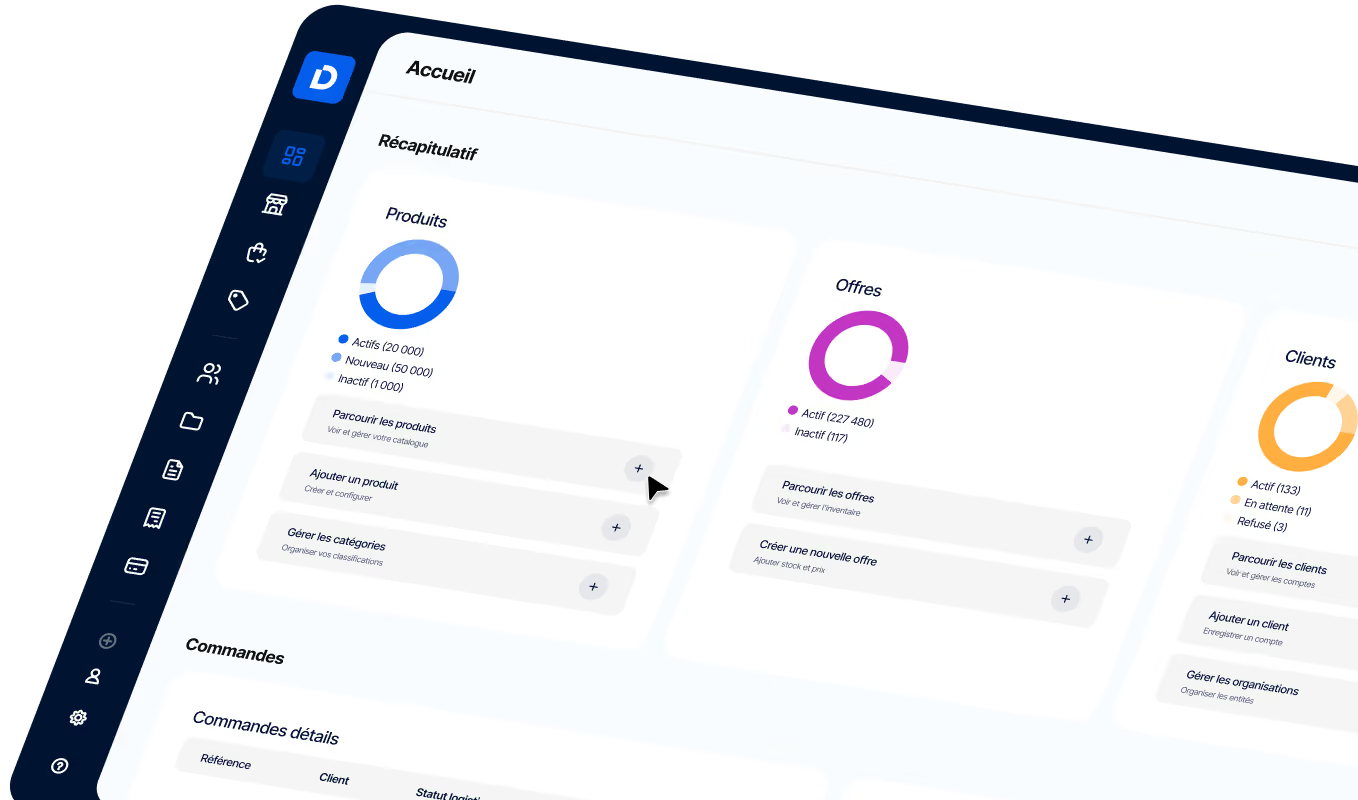
Unified B2B Commerce: Boost Performance and Productivity
Unified B2B commerce brings data, processes, and customer interactions together on a single platform, delivering a seamless, personalized experience across every sales channel. This approach boosts productivity, reduces errors, and streamlines order management, while increasing customer satisfaction and revenue. DJUST helps companies make this transformation a success for the long term.

Do you work in B2B? Does your company rely on disconnected sales channels, siloed data, and inefficient processes?
Are you dealing every day with pricing inconsistencies across your order platforms, error-prone manual processing, or a lack of real-time inventory visibility? What if there were a solution that could bring all of these operations together, online and offline, on a single platform?
Welcome to the world of unified B2B commerce — the new approach gaining ground across B2B today. By centralizing all your operations and customer interactions on one platform, your company can deliver a seamless, omnichannel experience that meets the expectations of B2B buyers. That's our mission at DJUST.
Unified B2B commerce puts the end user at the center of every decision. It is customer-centric, focusing on the buyer journey, the experience, and their needs.
Short on time? Here's what you need to know:
- Unified B2B commerce centralizes data, processes, and orders from every channel on a single platform.
- It stands out for its ability to deliver a seamless end-to-end customer journey.
- A unified commerce approach boosts productivity, strengthens security, and drives business growth.
- Choosing the right unified commerce partner is essential for a successful implementation, higher productivity, and revenue growth.
So, what exactly is unified B2B commerce?
Unified B2B commerce brings all your sales activities and customer interactions together in one place. It goes beyond simply connecting different sales channels. It integrates your back-office systems (ERP, CRM, inventory management tools) with your front-office interfaces, creating a single source of truth for all your commercial data. This enables more accurate inventory management, personalized pricing, and more efficient order fulfillment.
Buying is also much simpler for your customers, thanks to the right information at the right time, no matter which channel they use. They can start a transaction on one device and finish it on another without friction. That flexibility is ideal for industries where B2B buyers constantly move between the office and the production floor.
Finally, with a complete view of your customers' orders and inventory, unified B2B commerce delivers a truly personalized experience and anticipates customer needs with proactive support.
B2B eCommerce in the construction industry
Take the example of unified commerce in the construction industry.
- A site manager starts the day by logging into a supplier's website and browsing the materials needed for an upcoming project. They add several items to their cart on a desktop computer. Later, on-site, they open the supplier's mobile app and find their cart updated with the items added earlier. They also take the opportunity to change the quantity of two items.
- The app tells the site manager that some items are out of stock. The platform recommends similar products. The manager decides to have the items delivered directly to the job site.
- Next, the manager adds products to a quote. They negotiate with the supplier's sales team through the platform's messaging system.
- Once negotiations are complete, the supplier's sales team approves the quote, including products and pricing. The quote is then turned into an order.
- The manager's supervisor receives a notification to approve the order. They review the order details and approve it.
- While reviewing the order, the supervisor realizes they need more cement bags than expected. They change the order from 80 bags to 100, since it hasn't shipped yet.
- The transaction is completed using the company's pre-approved payment terms and credit limit, with the negotiated prices already applied to the product record.
- When the materials are delivered to the job site, the site manager uses the supplier's app to confirm delivery. They notice that two cement bags are damaged and immediately notify the supplier through the app, starting a replacement conversation.
- Back at the office, the procurement team can see the full transaction history, from the initial browsing session to the final purchase and delivery confirmation, in real time. This visibility into transaction processing makes budget tracking and planning more effective.
This example shows how unified commerce brings together multiple touchpoints and processes, creating a seamless and efficient experience for B2B buyers and sellers.
Centralizing orders in the pharmaceutical industry to unify operations
A pharmaceutical lab uses a unified platform to centralize medicine orders from pharmacies, hospitals, and resellers. Managers can check product availability in real time, tailor offers based on order volume, and ensure fast delivery thanks to automated recommendations from local warehouses.
Centralizing orders in the pharmaceutical industry to unify operations
A food and beverage company lets its wholesalers prepare orders on a desktop computer at the office, then complete the purchase on a mobile app during field visits. The app also provides real-time stock-out alerts and suggests locally available alternatives.
The future of commerce is unified
Unified B2B commerce combines customer data, processes, and interactions in one place, helping B2B companies deliver seamless, personalized experiences to their customers across every sales channel.
The benefits of adopting a unified B2B commerce solution go far beyond happier customers. By working smarter and growing revenue, improving data security, and enabling faster launches of new features, unified commerce impacts every part of your organization. By streamlining processes, reducing errors, and providing better insights for decision-making, unified commerce also significantly improves profitability and operational efficiency.
The future of commerce is unified, and the time to act is now. By adopting unified B2B commerce with DJUST, you can set your business up for long-term success through your ability to adapt to change and meet customer expectations.
-modified.avif)


.png)
.jpeg)