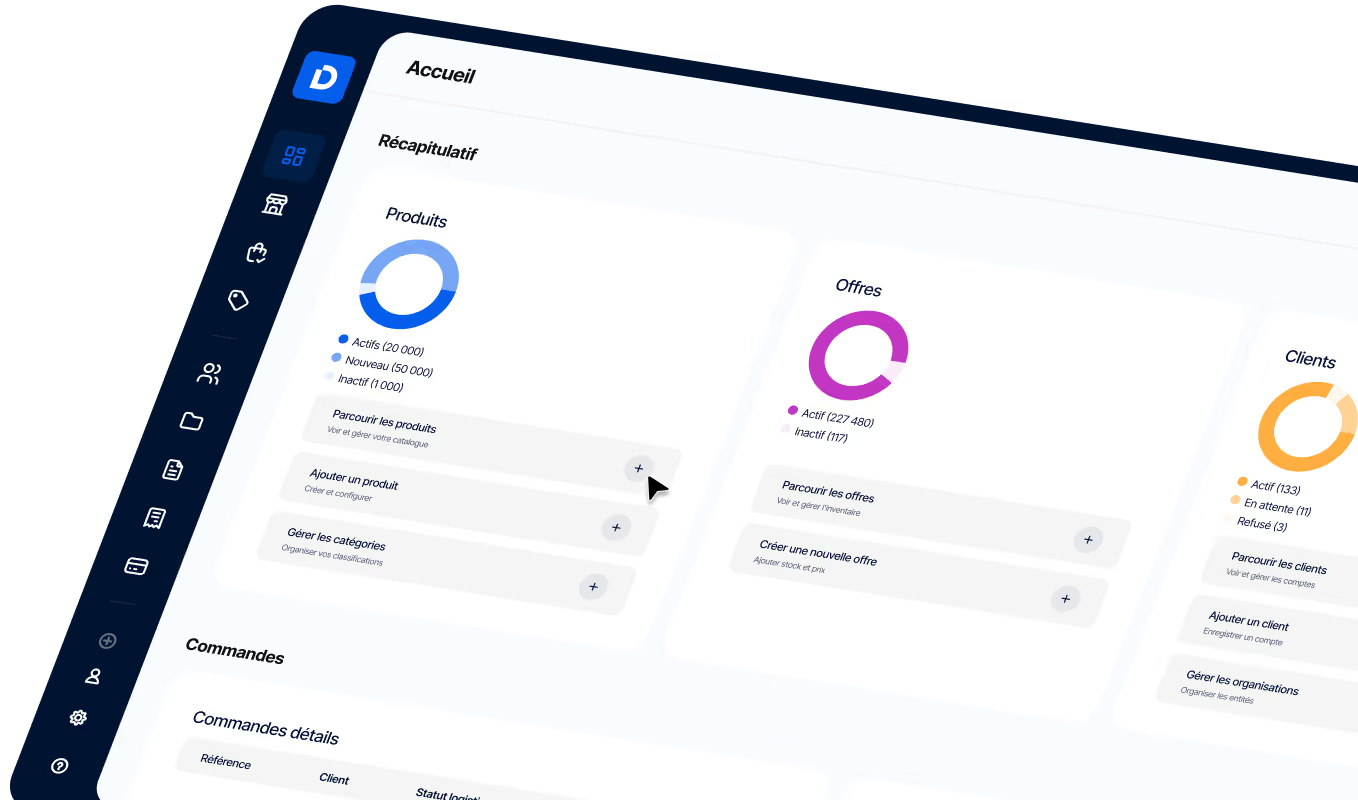
Modular architecture
Modular Architecture in B2B E-commerce
Modular architecture is a design approach that builds systems from a variety of smaller, easy-to-manage components, such as third-party applications.
This concept has transformed many industries and is particularly relevant in B2B e-commerce, where companies seek flexibility, scalability, and agility.
What is modular architecture?
Modular architecture involves building a system from standardized or interchangeable units called "modules."
Each module can function independently, yet they all work together to form a whole. Think of it like building blocks where you can add, remove, or replace individual pieces without disrupting the entire structure.
In the context of e-commerce, this means companies can customize their platform by choosing different components tailored to their specific needs. Popular modules include payment processing, inventory management, content management systems (CMS), and customer relationship management (CRM).
Benefits of Modular Architecture
Flexibility and Customization
One of the greatest advantages of modular architecture is its flexibility. Companies can easily customize their platform according to their specific requirements. For example, if a company finds a better payment processing service, they can replace it without changing the entire system. DJUST illustrates this by allowing users to select the components best suited to their business goals.
For example, when Foodia was looking for a B2B e-commerce solution, one of their requirements was high flexibility. DJUST offered them exactly that, allowing them to quickly adapt the platform to market fluctuations and customer needs.
Scalability
As a business grows, its needs evolve. Modular architecture allows for seamless scalability. Companies can add new modules as their demands increase—adding a new shipping method or integrating a new CRM tool becomes easy. This adaptability allows companies to avoid issues related to outgrowing their technology.
Cost-effectiveness
With a modular system, companies save money by investing only in the components they need, rather than paying for a complete system containing unnecessary features. This targeted investment allows for strategic resource allocation, making it easier for startups and small businesses to enter the B2B market.
Improved Maintenance
Maintaining a monolithic system can be complex and often requires taking the entire system offline during maintenance. With modular architecture, each module can be updated or replaced independently, minimizing downtime.
For example, if a payment processor updates its technology, only that specific module requires maintenance, allowing the rest of the system to remain operational. This helps you avoid downtime that could lead to lost revenue.
Practical applications in B2B e-commerce
Building a custom solution
To effectively implement a modular architecture, companies must start by identifying their specific needs. For instance, a construction company looking to improve its inventory management might choose a robust inventory module to track stock levels in real time, while using a separate CMS for site content.
Integration with existing systems
Very often, companies already have existing software solutions in place. Modular architecture allows these tools to be integrated into their new platform. The DJUST DataHub module is a prime example; it facilitates seamless connections between various systems, enabling real-time synchronization of data such as product stock and customer orders.
Tip: When deciding to adopt a modular architecture, consider the support required to maintain the systems and their integrations. Do you have the necessary technical staff? Do you need to hire more IT personnel or outsource? These factors affect ROI-related costs. Fortunately, tools like DJUST make maintaining a modular architecture easier.
Adopting a composable commerce strategy
Composable commerce is an extension of modular architecture, allowing companies to quickly assemble best-of-breed solutions. With DJUST, businesses can choose from various e-commerce features—such as customer support or analytics tools—enabling them to create a personalized, efficient system that evolves with customer needs and market trends.
Best practices for implementing a modular architecture
- Assess your needs : Identify exactly what you expect from your e-commerce platform—this includes the pain points of your current system and the features you desire.
- Choose interoperable modules : Ensure that the selected modules can communicate effectively with one another. Interoperability is essential to avoid losing the benefits of a modular architecture.
- Anticipate future growth : Choose modules that are not only suited to your current needs but are also flexible enough to support future growth.
- Monitor and optimize : After implementation, continuously monitor module performance to ensure they are functioning correctly. Flexibility allows you to quickly replace or update modules as your business needs evolve.
Using DJUST with a modular architecture
DJUST perfectly embodies the principles of modular architecture. Its platform allows companies to select the modules tailored to their specific needs, creating a personalized e-commerce experience. For example, a company could use DJUST's comprehensive CRM module to manage customer relationships while integrating a separate analytics tool to track sales performance.
Thanks to its DataHub feature, DJUST ensures a seamless flow of data between modules, keeping inventory accurate and providing real-time visibility across various sales channels. This level of integration improves not only operational efficiency but also significantly enhances the customer experience.
Modular architecture represents a major shift in B2B e-commerce. By adopting this approach, companies benefit from increased flexibility, better scalability, optimized cost-effectiveness, and easier maintenance.