Cart abandonment rate
Cart Abandonment Rate: Understanding and Reducing Losses
Definition
The cart abandonment rate is the percentage of users who add products to their online cart but leave the site without completing their purchase. In B2B, this rate takes on a unique dimension, as a transaction may involve multiple stakeholders and a complex approval process.
Calculation
The formula used is as follows:
Cart Abandonment Rate = (Number of abandoned carts / Total number of carts created) × 100
For example, if 100 carts are created and 70 remain unfinished, the abandonment rate is 70%.
B2B Specifics
In B2B, cart abandonment often reflects the complex nature of the purchasing process. Consider a manufacturing company where a procurement manager adds industrial supplies to a cart but must obtain approval from several departments (operations, finance, etc.) before finalizing the order. This built-in delay changes how the abandonment rate is interpreted compared to B2C.
Common Causes of Abandonment
- Complex Approval Processes : B2B decisions often involve multiple levels of approval. If the system does not support these workflows, buyers may be prompted to abandon their carts.
- Pricing Visibility and Quote Requests : B2B pricing varies based on volume and contractual agreements. If buyers cannot clearly see their negotiated rates or easily request a quote for large orders, they may prefer to contact the sales department directly.
- Lack of Flexibility in Payment Methods : B2B buyers expect a variety of payment options (purchase orders, deferred payments, bank transfers). The absence of these options can lead to cart abandonment.
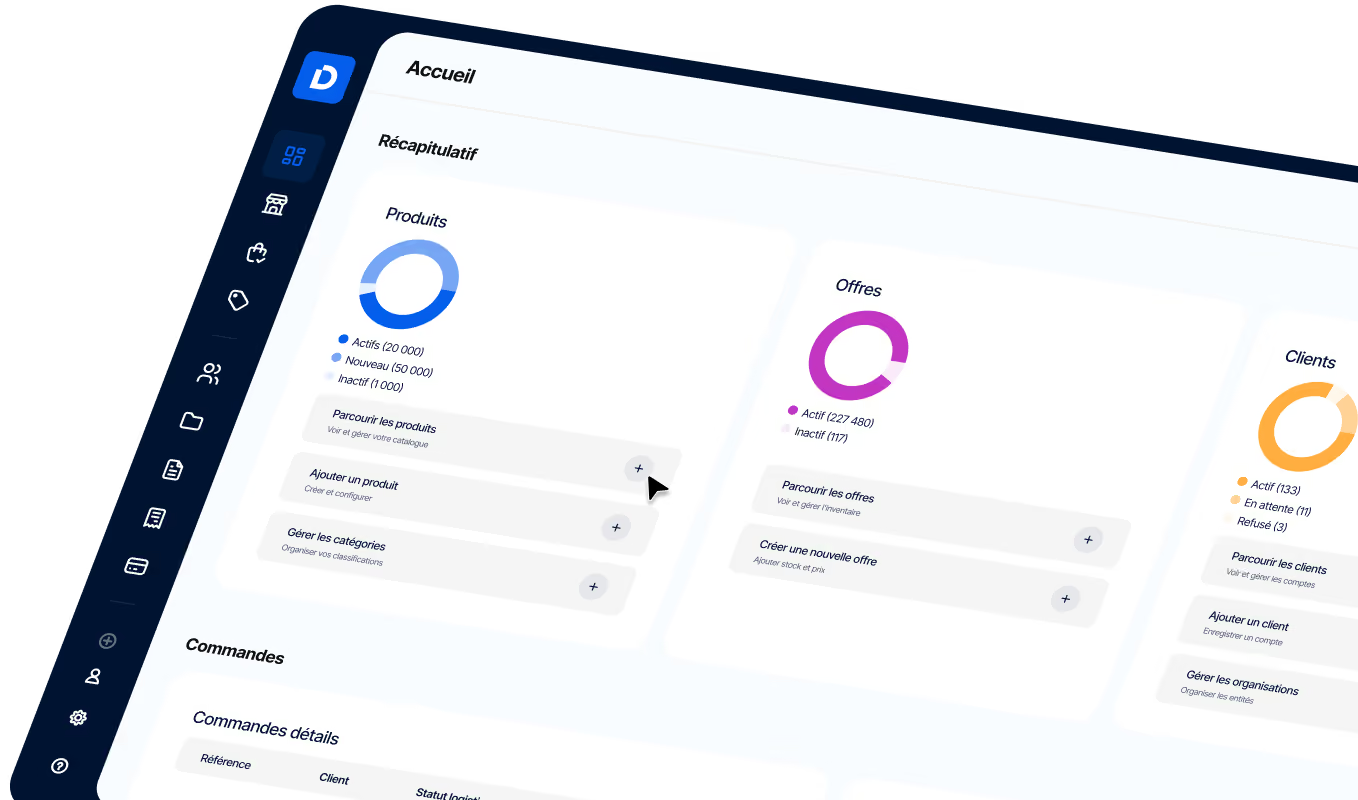
Reducing the Abandonment Rate with DJUST
Thanks to its B2B-specific features, DJUST helps reduce these abandonments by:
- Managing custom approval workflows The platform allows for the creation of multi-user accounts with defined roles and permissions, facilitating cart sharing among different stakeholders and order approval.
- Displaying dynamic and personalized pricing By integrating pricing agreements and volume discounts, DJUST displays negotiated rates to buyers in real time and simplifies the quote request process directly through the platform.
- Offering flexible payment solutions Partnerships with providers such as Mangopay and Lemonway allow for the integration of various payment methods tailored to B2B requirements.
- Activating alerts for sales teams When a cart is abandoned, DJUST notifies sales representatives, who can intervene proactively to assist the customer or clarify technical points.
- Integrating ERP and procurement management systems Connection with back-end systems ensures data synchronization (inventory, pricing, credit terms, etc.), thereby minimizing errors and the risk of abandonment.
Conclusion
In B2B eCommerce, an abandoned cart is not necessarily a permanent loss, but can represent an opportunity for commercial engagement. By understanding the specific causes—such as complex approval processes, issues with pricing visibility, and gaps in payment options—and by implementing solutions like those offered by DJUST.io, companies can turn these abandonments into opportunities to improve the customer experience and, consequently, increase their conversion rate.