6 Steps to boost Your B2B eCommerce sustainability
Learn how to improve B2B eCommerce sustainability through greener technology, logistics, and data-driven platforms like DJUST.
Now more than ever, buyers expect sustainability. Younger generations are highly eco‐conscious, over 90% of Gen Z and millennial consumers say they care about purchasing sustainably. These consumer trends bleed into B2B: procurement teams and business buyers want partners that treat the environment responsibly. Meanwhile, governments are tightening regulations (for example, the EU’s CSRD and US SEC rules now require large companies to report climate impacts). Meeting these rules demands data and transparency. By adopting green practices now, your company not only complies with new standards but also appeals to eco‐aware clients. Indeed, companies that invest in sustainability tend to save money, open new markets, and gain a competitive edge. Below are six “steps” to strengthen sustainability in your B2B e-commerce business.
What is sustainable B2B Ecommerce?
Sustainable B2B ecommerce means integrating environmental responsibility into every aspect of your online sales and operations. It covers your digital footprint (website energy use), supply chain, packaging, shipping, and product sourcing. The aim is to reduce carbon emissions, waste, and resource use at every stage.
Data centers and internet networks, the backbone of ecommerce, already generate roughly 330 million tons of CO₂e per year, about 0.9% of energy-related emissions. Likewise, online orders typically require more packaging than in-store purchases. A study in South Korea found ecommerce produced 4.8 times more packaging waste than conventional retail for equivalent goods. These figures illustrate why going green online matters.
Sustainable ecommerce also embraces circular economy principles: minimizing waste by reusing materials. This can mean selling refurbished products, using biodegradable materials, or offering recycling programs. Even optimizing web pages and choosing green hosting can reduce energy consumption.
In B2B terms, it means providing business customers with transparent data on product carbon footprints and using software to track sustainability goals. But what else do B2B customers seek in sustainable eCommerce? Let’s take a closer look.
Why is sustainable B2B Ecommerce important?
Business buyers face pressure to meet their company's ESG (Environmental, Social, Governance) targets. Many organizations now require procurement to consider sustainability when choosing suppliers. Roughly 69% of B2B buyers work at firms aiming to increase purchases from eco-friendly vendors, yet over half admit finding such suppliers is challenging. This gap represents an opportunity: companies leading in green practices can capture clients looking to meet those goals.
Encouraging Business Expansion
By demonstrating eco-commitment, you appeal to the growing segment of environmentally conscious buyers. This can unlock expansion into regions or industries where regulations or demand favor sustainable practices. Companies producing sustainable products often gain access to lucrative government contracts or corporate supply chains with sustainability targets.
Moreover, ecommerce sustainability differentiates you in crowded markets. 36% of companies reported they would leave a supplier that doesn’t meet sustainability expectations. By highlighting certified green products or carbon-neutral shipping, you win business from eco-conscious clients and stand out from competitors.
Enhancing Brand Perception
Today's clients, investors, and partners care about values. Embedding sustainability in your eCommerce business plan sends a strong message. When customers see your company actively reducing emissions or waste, they view you as responsible and forward-thinking. This leads to stronger loyalty and can justify premium pricing for greener offerings. Here are a few tips :
- Promoting a green product line or featuring customer case studies on carbon reduction is powerful.
- Aligning with certifications like ISO 14001 environmental management or carbon-neutral labels boosts credibility.
A green brand image transforms sustainability from a cost into a unique selling point.
Improving Operational Efficiency
Sustainability goes hand-in-hand with efficiency. Many eco-friendly measures reduce waste and resource use, trimming costs in the long run. For example:
- Packaging Optimization : right-sizing and using lighter, recyclable materials cuts both expense and emissions. One UNCTAD analysis found that simply reducing packaging layers can cut carbon emissions by up to ~36%.
- Energy Efficiency : upgrading servers, lighting, and machinery to energy-efficient models lowers utility bills. Even optimizing data centers and moving to the cloud can curb electricity use, since large cloud providers tend to be more efficient.
- Waste Reduction : streamlining inventory and forecasting demand prevents overstock and waste.
These efforts do have startup costs, but the return on sustainability can be fast. Many studies note that sustainable business practices “save money” and improve processes. You need to view sustainability investments as multi-year ROI projects. The upfront expense is repaid by lower input costs, reduced liability, and possibly lower financing costs (investors now favor sustainable companies). It also protects you against future regulations or carbon pricing.
Driving Innovation and Competitive Advantage
Seeking greener solutions can lead to novel products and services that competitors lack. For instance, a company might develop an app that helps customers calculate the emissions saved by choosing an electric delivery option. Or it might adopt a carbon-neutral shipping model (offsetting truck or air freight emissions), which some firms already do to attract green-minded clients.
These innovations often create new revenue streams. Think of it like this: by solving an environmental problem, you also solve a market need. Furthermore, businesses leading in sustainability set industry standards. When sustainability becomes mainstream, these leaders are well-positioned.
It’s important to make sure your efforts are real and meaningful. Today's savvy customers, whether they're individuals or businesses, are quick to spot "greenwashing" – where companies exaggerate or mislead about their environmental impact.
Remember, actions speak louder than words. When you implement genuine, verifiable sustainability practices, you build trust, inspire innovation, and potentially open doors to new products, services, and business models that resonate with environmentally conscious buyers.
Key Challenges for Sustainable Ecommerce Business
Moving to a sustainable ecommerce model presents challenges. Many systems and habits must change.
- Balancing Speed and Sustainability: modern ecommerce thrives on fast fulfillment, yet express deliveries by air significantly increase emissions. Same-day or next-day services may boost sales but harm the planet. Finding the right balance between convenience and green logistics is critical.
- Packaging Waste : online orders use substantial packaging to protect goods, generating far more waste than store purchases. Companies must rethink product protection, finding materials that minimize waste and are recyclable or biodegradable. Overhauling packaging processes requires design changes, supplier coordination, and often upfront costs.
- Sourcing and Supplier Standards : achieving sustainability often means vetting a global supply chain. You may need to audit suppliers following green practices, which can be time-consuming and might mean dropping long-term partners who do not meet new criteria. Many B2B buyers report difficulty finding transparent, eco-friendly sellers.
- Digital Footprint : running online systems consumes energy. Every page view, database query, and email adds to your carbon footprint. Data centers currently account for about 1% of global energy emissions.
- Culture and Change Management : sustainability requires organization-wide commitment. Employees must learn new processes, and leaders must prioritize environmental goals over short-term gains. Allocating budget, training staff, and shifting corporate culture take time.
Sustainability challenges are especially visible in sectors with complex supply chains and heavy material usage. This is the case for companies operating in the eCommerce in construction industry, where procurement decisions directly affect carbon emissions, waste generation, and resource consumption. Despite these challenges, many companies find long-term benefits outweigh initial costs. Streamlined operations and a positive brand reputation make the effort worthwhile.
Best practices for sustainable B2B eCommerce
Implementing sustainability takes time and effort. No single step is a quick fix; it involves planning, investment, and often culture change. Below are six best practices to guide your efforts. Think of these as long-term goals:
1. Reduce digital (Website) footprint
Even your website has an environmental cost. Every user session uses server energy and network bandwidth. To minimize this:
- Audit Content : regularly review your site for outdated or unnecessary pages and media and remove or archive content that no longer serves visitors. A leaner site means fewer servers.
- Optimize Media : compress and resize images and videos. and use modern image formats (like WebP) and lazy loading so content only loads when visible.
- Green Hosting : choose a hosting provider powered by renewables or that runs efficient data centers.
- Efficient Code : use clean, lightweight coding practices. Faster pages reduce energy per visit.
These steps may require technical effort (web developers, tools, and perhaps new software), but they significantly lower your online carbon footprint. Over time, they also improve site speed and user experience – a win-win.
2. Use sustainable technology
Your IT and hardware choices matter. Tech upgrades present opportunities to cut environmental impact:
- Energy-Efficient Hardware : when purchasing servers, computers, or network gear, look for ENERGY STAR or equivalent ratings. Modern, efficient chips and components use far less power.
- Cloud Migration : consider moving on-premises servers to a major cloud provider. Many cloud companies (AWS, Google, Azure) have aggressive energy-efficiency and renewable energy commitments.
- Extend Equipment Lifespan : the greenest tech is often the one you already own. Regular maintenance (like updates and dust cleaning) can keep hardware running longer.
- E-Waste Recycling : when retiring old equipment, do it responsibly. Use certified electronics recyclers or manufacturer take-back programs.
- Optimize Data Centers. If you run your own data center, improve cooling (free cooling, hot/cold aisles) and turn off idle machines.
3. Streamline logistics
The last-mile delivery stage in e-commerce produces significant emissions, so optimizing logistics is logical:
- Consolidate Shipments : whenever possible, combine orders going to the same destination instead of sending individual packages, batch shipments to be delivered together.
- Route Optimization : use route‐planning software or services to find the most fuel-efficient delivery routes.
- Eco-Friendly Carriers : partner with logistics providers that use green solutions. For instance, some couriers use electric delivery vans or bikes in urban areas. .
- Right-Sized Packaging : Use the smallest package that safely fits the product. Oversized boxes waste space and require more fillers.
4. Optimize Supply ChainmManagement
To go green, your entire supply chain must align with sustainability. This means:
- Sustainable Sourcing : prioritize materials and suppliers that meet environmental standards. For example, use vendors that source from sustainably managed forests or use recycled inputs.
- Certifications and Standards : encourage or require certifications like ISO 14001 (environmental management) or fair-trade labels from your suppliers.
- Local or Regional Suppliers : where feasible, source from closer suppliers to cut transportation emissions.
- Ethical Partnerships : consider social factors too. Partnering with companies that treat workers well and protect communities strengthens your sustainability claims. Many B2B buyers look for corporate social responsibility, not just green materials.
- Transparent Data : use digital tools (like integrated ERP or blockchain) to track materials and carbon data through the chain.
- Regular Audits : periodically review your supplier list to ensure they maintain sustainable practices.
5. Use Data-Driven sustainability initiatives
Data is a powerful ally for sustainability. By measuring and analyzing key metrics, you can target improvements:
- Carbon and Energy Tracking : implement software to record your carbon footprint (Scope 1, 2, and if possible, Scope 3 emissions). Having this data ensures you know where reductions are needed.
- Dashboard and KPIs : set up a sustainability dashboard for management. Track metrics like monthly energy use, recycling rate, or percentage of green packaging. This keeps sustainability on the agenda.
- Customer Insights : use data to understand buyer behavior. Surveys or purchase data might reveal that customers strongly prefer reusable packaging or value digital invoices (cutting paper).
- Machine Learning Tools. Consider AI for efficiency. AI can dynamically set optimal inventory levels to avoid excess production or adjust HVAC in fulfillment centers for minimal energy use.
- A/B Testing of Green Practices. Use experiments: e.g., offer two shipping options (standard vs. carbon-neutral) to see which customers choose. Use the data to refine your sustainability offerings.
6. Forge Sustainable Partnerships
No business operates in isolation. Teaming up with others who share your values amplifies impact:
- Green Vendors : seek out suppliers and service providers with strong sustainability records. This might include printing with recycled ink on press, or using renewable energy in their operations. Highlight these partnerships in your marketing.
- Logistics Allies : work with carriers that have carbon-reduction goals (e.g., electric fleets or alternative fuels).
- Tech Vendor : collaborate with IT providers that prioritize efficiency.
- Cross-Industry Initiatives : join industry groups or consortia that aim to improve sustainability. Shared initiatives like bulk buying of recycled materials or joint carbon offset projects can lower costs and spur innovation.
Eiffage: A case study in sustainable B2B construction
Eiffage recently set a new standard for sustainable eCommerce with its innovative BlueOn platform, created in partnership with DJUST.
In partnering with DJUST, Eiffage not only strengthened its environmental responsibility but also unlocked new business opportunities and cemented its position as a world leader in sustainable construction and concessions.
Its journey provides valuable insights into how large companies can leverage technology to drive sustainability efforts. Let's explore how they transformed their operations.
BlueOn: A platform for transparency and growth
Eiffage’s core mission with BlueOn is to increase transparency around carbon emissions while creating a strong business case for revenue growth.
The platform aims to provide clear information on the carbon footprints of construction materials and products used in building sites. This includes raw materials, equipment, and other supplies necessary for Eiffage's construction projects. The platform serves both internal buyers (such as site managers and procurement teams) and external customers (potentially other construction companies or subcontractors).
By offering this information, BlueOn helps:
- Internal teams make more informed, environmentally conscious purchasing decisions
- External customers understand the environmental impact of the materials they're using
- Eiffage align with future regulations on carbon emissions in the construction industry
For example, BlueOn might display two comparable steel products side-by-side, showing their respective carbon footprints. This allows buyers to choose based on both their project requirements and environmental considerations.
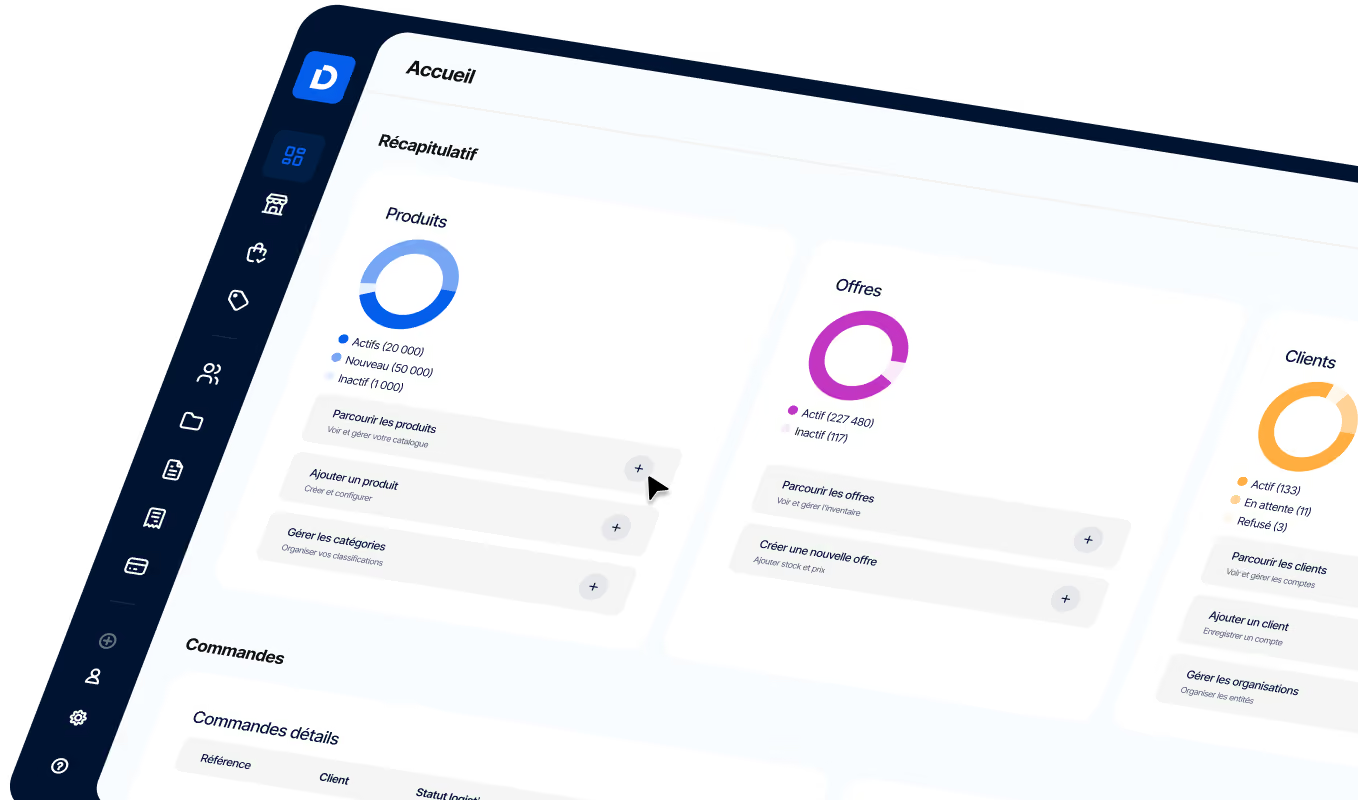
As a leading provider of eCommerce solutions, DJUST designed and built a scalable, flexible, and efficient SaaS platform that enhanced transparency and productivity for Eiffage's internal buyers, external customers, and suppliers. The platform was launched in just six months.
BlueOn: Driving business growth through sustainability
Eiffage's implementation of BlueOn demonstrates how sustainability initiatives can directly contribute to business growth and operational efficiency. The platform's focus on carbon footprint transparency improved Eiffage's environmental performance and enhanced its market position.
By providing detailed environmental impact data, BlueOn has helped Eiffage win more contracts in an increasingly eco-conscious market. By leveraging the platform's features, Eiffage achieved impressive results:
- A 50% increase in productivity through streamlined purchasing.
- An 85% reduction in carbon footprint on Eiffage's construction sites.
- €1.6 billion in raw materials ordered for the first building site using the platform.
The Bottom Line
As regulations tighten and business customers demand greener supply chains, companies must act now. Adopting sustainable practices, from lean websites and green IT to optimized logistics and ethical sourcing, reduces environmental impact and builds business value.
A comprehensive strategy covers many fronts: cutting digital waste, using energy-efficient technology, streamlining logistics to lower emissions, and partnering with eco-conscious vendors. These steps help the planet while improving efficiency, opening markets, and enhancing brand reputation. By measuring results and iterating, you can continually improve, for example, using a robust b2b eCommerce platform that supports sustainability features. The companies starting on this path now will emerge as industry leaders, demonstrating that commitment to sustainability and strong business performance go hand in hand.
Sources :
https://unctad.org/system/files/official-document/der2024_ch05_en.pdf
https://www.iea.org/energy-system/buildings/data-centres-and-data-transmission-networks
https://www.forrester.com/report/the-new-green-consumer/RES177146
https://www.bain.com/insights/how-to-master-art-of-selling-ceo-sustainability-guide-2024/
https://www.iisd.org/articles/policy-analysis/e-commerce-environmental-footprint
https://www.greenbusinessbenchmark.com/archive/roi-of-sustainability

-modified.avif)