Construction and B2B: Less Speed, More Excellence
Prioritize quality in B2B e-commerce for construction by addressing challenges such as data maintenance, cultural resistance, and material shortages. Use platforms to streamline procurement, reduce costs, and optimize project management.
Article summary

Don’t build your B2B e-commerce fast. Build it better.
The construction industry has long had a reputation for being slow to adopt digital transformation. But with the arrival of COVID-19 and the rise of a new generation of digital-first buyers, more and more companies have realized the benefits online sales can bring.
In the rush to adapt, B2B e-commerce in construction has grown too quickly, with many new sites frustrating buyers instead of serving them. Just as you wouldn’t start building a house without laying the right foundations, you shouldn’t launch a B2B e-commerce platform without a solid plan in place.
The 4 weak points of B2B in construction
1. Data management
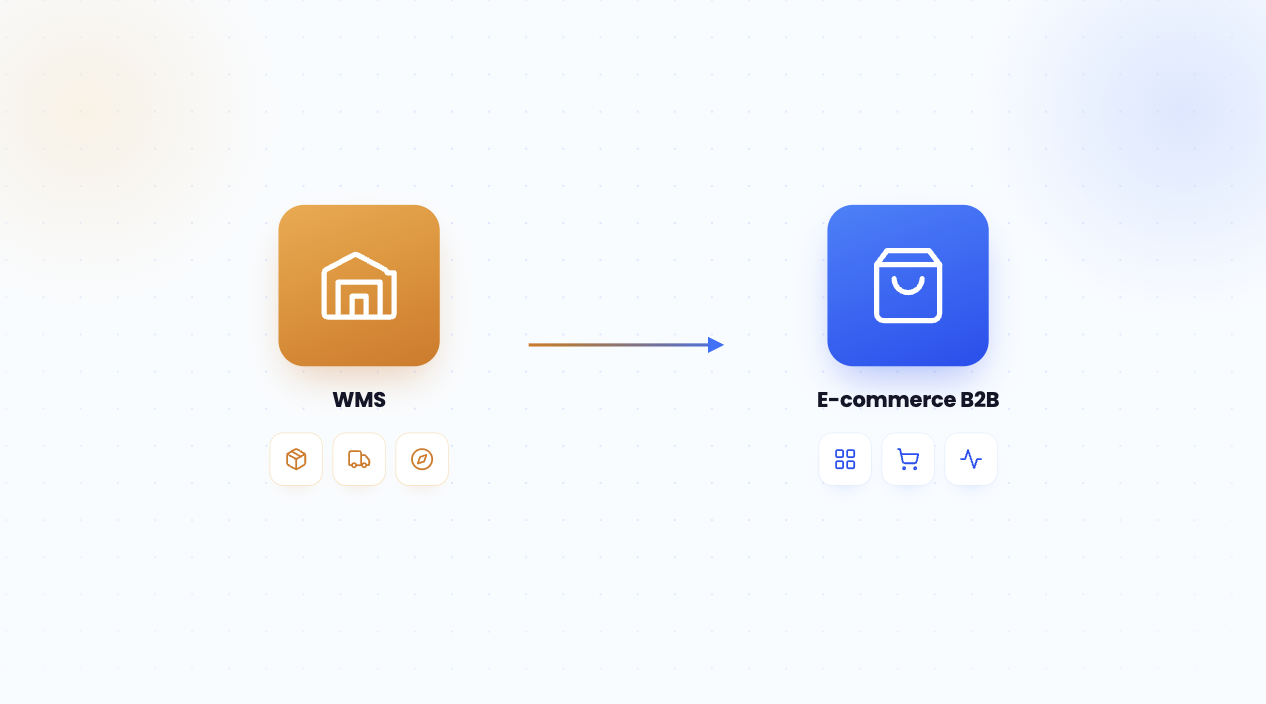
Data can make or break your B2B e-commerce platform. Unfortunately, because of the amount of information required for each product — safety, quality, technical specifications — the construction industry is especially exposed to poor data management. To make sure your platform has all the product, pricing, and customer data it needs to run properly, we recommend integrating it with your ERP. It will act as a single source of truth and help your buyers find what they need faster.
2. Cultural resistance
One of the main barriers to a successful B2B e-commerce site is internal fear of digital transformation, which is especially common in traditional sectors like construction. Without full buy-in from your team, it won’t use the platform effectively. The solution: run regular training sessions to ease concerns and get everyone on board.
3. Material shortages
The construction industry is more vulnerable than others to product and labor shortages. While you can’t prevent every shortage, you can minimize the impact. Integrating your B2B e-commerce platform with your back-end inventory management will let you monitor stock levels in real time and avoid unpleasant surprises.
4. Payments and delivery
Slow payment processes and even longer delivery times are a major pain point in the industry. B2B e-commerce can solve both. On one hand, it lets you accept digital requests, making life easier for buyers and helping ensure you get paid on time. On the other, it improves product and order traceability, for faster deliveries and better visibility for your customers.
How the construction industry can benefit from B2B Commerce
Streamlined procurement
B2B platforms help construction companies digitize their purchasing processes with online catalogs of materials, equipment, and supplies. Project managers can search, compare, and order with ease — far more efficiently than with traditional manual methods.
Better supplier management
B2B solutions make it possible to centralize supplier information, negotiate contracts, and track order history. The result: more transparency, simpler communication, and on-time deliveries to job sites.
Lower costs and competitive pricing
By accessing a broader supplier network and comparing prices more effectively, companies can find the best deals, negotiate competitive pricing, and benefit from bulk purchasing discounts.
Optimized project management
B2B platforms provide real-time visibility into product availability and delivery status, making it easier to track materials by project, monitor inventory, and ensure timely replenishment — for smoother project execution.
Collaboration and communication
Architects, contractors, subcontractors, and suppliers can all access a shared digital space to exchange project information, submit bids, request quotes, and share updates. No more delays caused by manual processes.
Centralized documentation
Purchase orders, invoices, delivery notes: everything is centralized and digitized. Record-keeping becomes simpler, audits are easier, and the risk of lost or misfiled documents disappears.
Integration with other systems
B2B platforms integrate with project management software, accounting tools, and ERPs, making data exchange easier and eliminating manual entry across multiple systems.
Expansion and growth
By adopting digital platforms, construction companies can attract new customers, respond to tenders in other regions, and take part in e-procurement initiatives with government agencies or large enterprises.
Don’t just build the perfect platform. Build a better relationship.
Developing a B2B e-commerce platform for construction isn’t about making it the biggest, cheapest, or fastest. It’s about building a platform that reflects how your buyers actually purchase construction materials.
Today, your buyers no longer need to wait until they’re back at their desks to place an order. They can search for and buy the materials they need directly on the job site, from their phone. That means one thing: having a mobile- and tablet-responsive B2B e-commerce platform is essential.
B2B platforms help construction companies build direct relationships with suppliers through a centralized marketplace: browsing catalogs, comparing prices, placing orders. By streamlining the purchasing process, B2B commerce improves communication, inventory management, reduces costs, and speeds up project timelines.
Collaboration with contractors and subcontractors is also strengthened through a centralized hub for sharing specifications, plans, and project documents — reducing errors and keeping everyone aligned.
Finally, personalization options allow companies to deliver tailored experiences to their customers — product selection, materials, finishes — boosting customer satisfaction and loyalty.
B2B Commerce also makes after-sales support easier: warranty management, product documentation, maintenance services. A smooth post-purchase experience that builds trust and drives long-term loyalty.
In short, B2B commerce gives construction companies a set of tools to strengthen relationships with suppliers, contractors, subcontractors, and customers — and bring their entire ecosystem closer together.
-modified.avif)
.png)
.avif)
.jpg)