How Franchise Networks Increase Revenue Through Smarter Replenishment
Store replenishment is a key tool for managing purchasing and inventory efficiently across franchise networks. The problem is that traditional replenishment systems no longer meet the needs of franchise networks.
.avif)
Franchise networks face unique challenges when it comes to replenishment, challenges that directly affect efficiency, customer satisfaction, and revenue. Traditional replenishment systems — whether centrally managed by the franchisor or decentralized across franchisees — often rely on outdated, fragmented processes, leading to stockouts, overstock, and inefficiencies. These issues waste time and resources. They also hurt the customer experience and reduce network profitability.
The role of store replenishment in franchise success
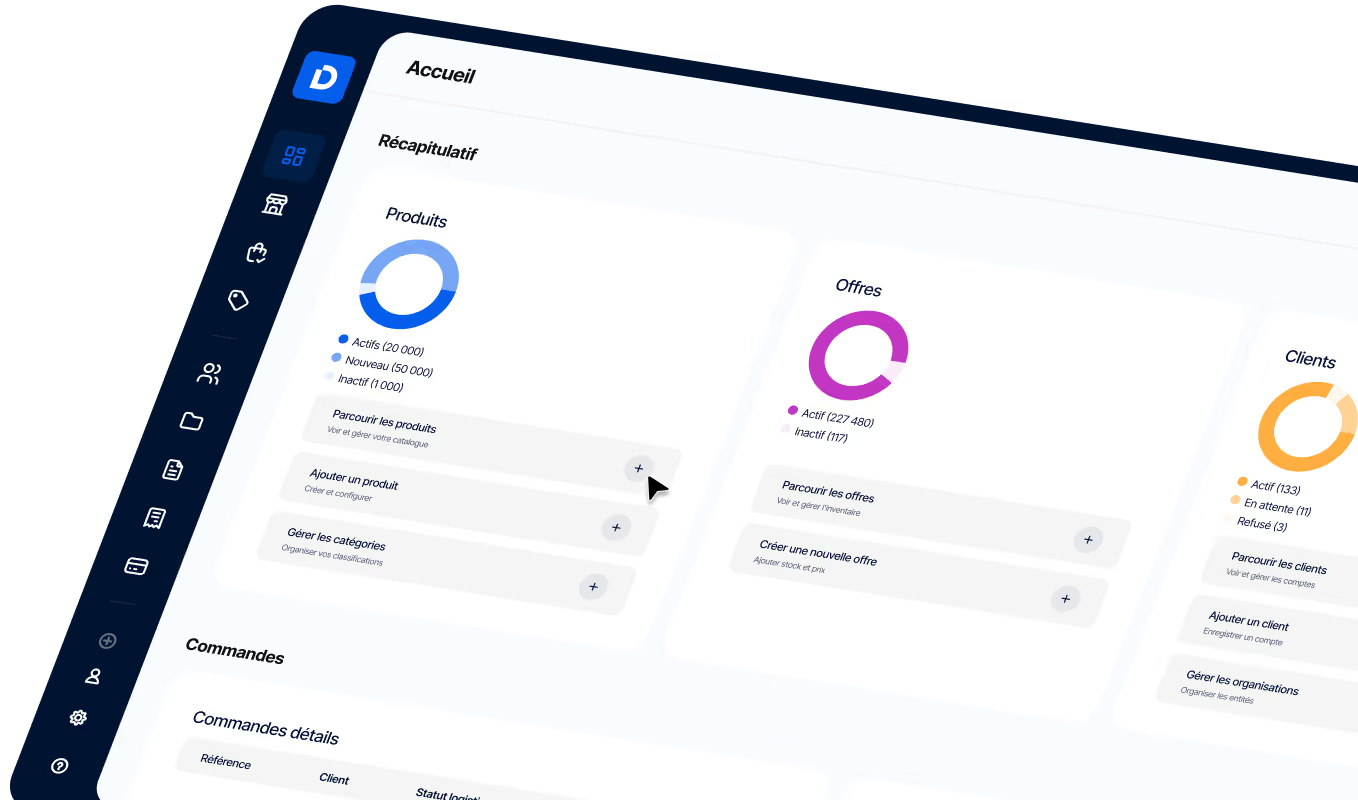
Store replenishment software offers a transformative solution by automating and centralizing replenishment processes. These platforms streamline inventory management, reduce manual errors, and let franchisees focus on growth instead of administrative tasks. The main benefits include:
- Centralized processes: Standardizing orders across the network reduces inconsistencies and manual errors.
- Optimized stock levels: Real-time inventory tracking helps franchisees avoid costly stockouts and excess inventory.
- Improved customer experience: Reliable product availability boosts customer satisfaction and loyalty.
Take Franprix, a retail franchise network with more than 500 locations. By adopting a unified replenishment platform, Franprix automated replenishment and improved inventory accuracy. The result was greater operational efficiency and significant cost savings, directly contributing to revenue growth.
Choosing and implementing the right solution
Choosing the right replenishment solution is essential to achieving these benefits. Franchise networks should prioritize solutions with strong replenishment capabilities, customization options to meet the varied needs of franchisees, and robust integration support.
For example, C10, a beverage distributor, moved from a custom B2B platform to a SaaS-based in-store replenishment solution. This shift improved efficiency, simplified operations, and increased franchisee satisfaction, helping the network scale more effectively.
Successful implementation depends on careful planning and effective change management. A phased rollout minimizes disruption, while comprehensive training ensures franchisees understand and adopt the new system. Clear communication about the system’s benefits is essential to secure buy-in.
Take the next step
In-store replenishment is more than just a tool; it’s a strategy for transforming franchise operations. By streamlining replenishment, networks can increase productivity, improve franchisee satisfaction, and grow franchise revenue. To see how replenishment can unlock your franchise network’s potential, get in touch. It’s time to turn replenishment into a competitive advantage.




.jpg)