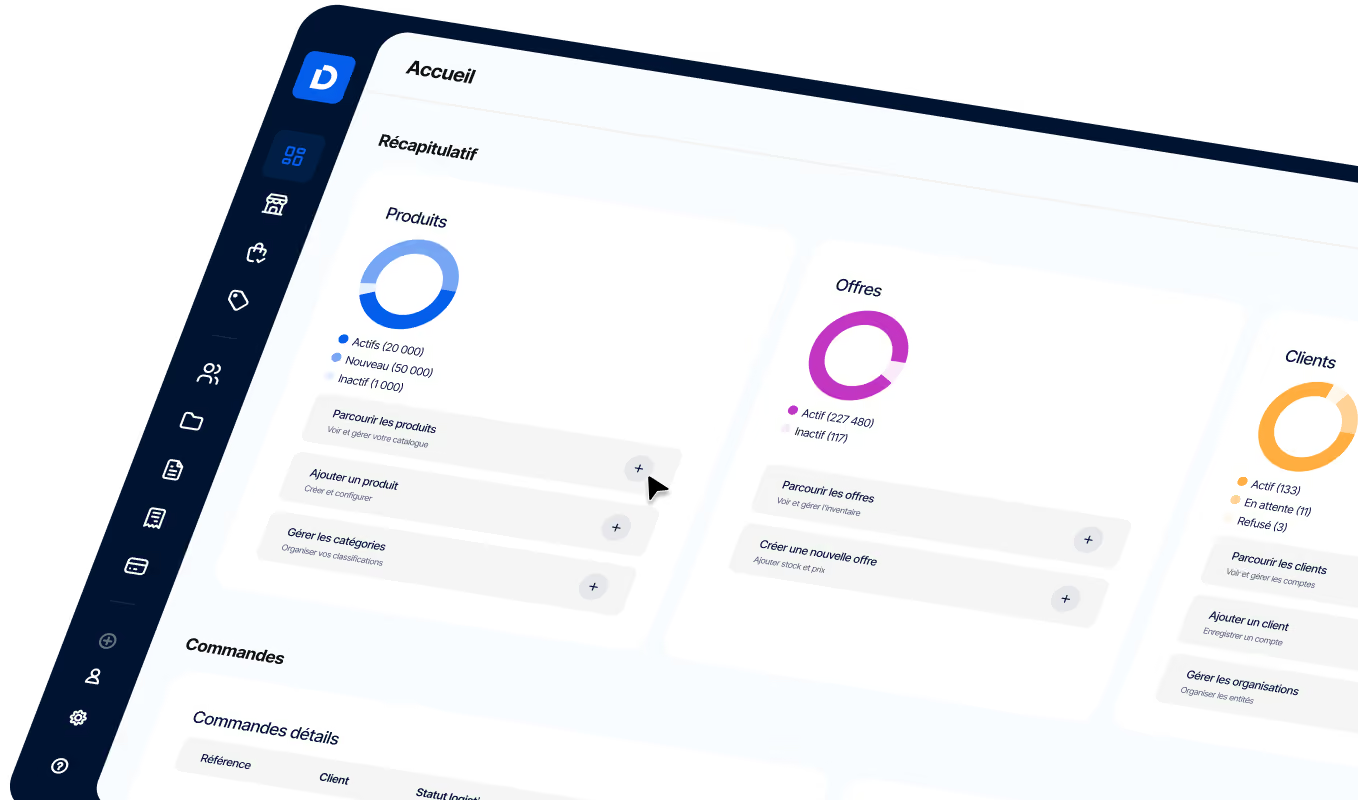
AI and Automation in B2B Order Management
Discover how AI automates B2B order management: fewer errors, greater visibility, higher productivity, and real-time control.
Article summary
- AI is transforming B2B order management by automating data entry, validation, and routing, dramatically reducing human error.
- It delivers real-time visibility and predictive insights into inventory, demand, and delivery lead times.
- AI-driven automation improves logistics productivity, speeds up sales cycles, and optimizes operating costs.
- Unified platforms like DJUST make it possible to put AI to work without overhauling your entire existing system.
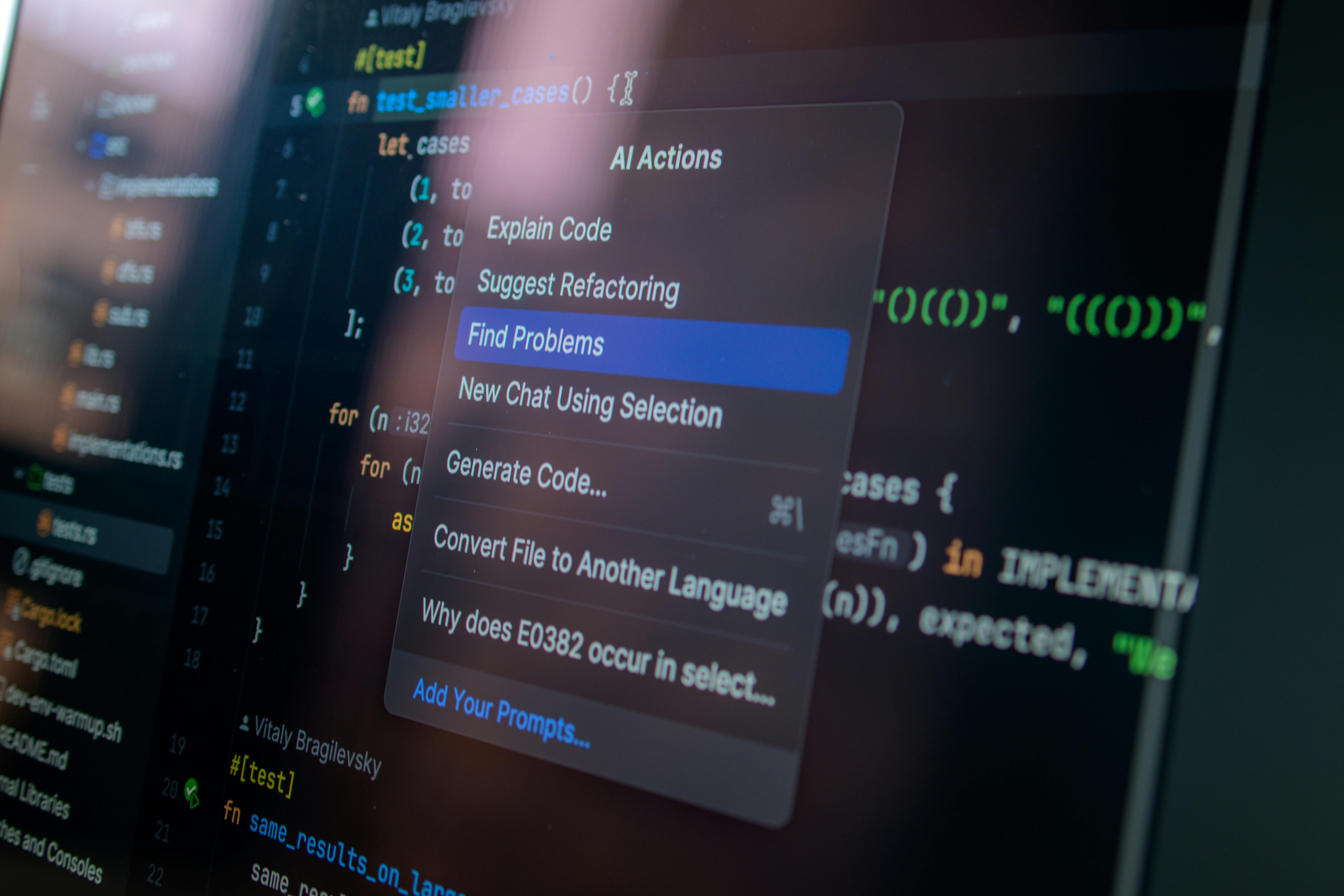
In today’s complex, global supply chains, efficient order management has become critical. The good news? The convergence of artificial intelligence and e-commerce is transforming this B2B chain. AI automates workflows, speeds up deliveries, and improves customer satisfaction. Automation comes into play at every stage, turning once slow, manual processes into a smooth, responsive logistics chain.
According to PwC, 57% of operations and supply chain leaders say they have already integrated AI into at least some functions of their supply chain.
The Benefits of AI-Powered B2B Order Automation
- Fewer errors, greater reliability : algorithms automatically validate key data such as pricing, inventory, and commercial terms. This automation eliminates errors caused by manual entry and repetitive checks. Today, intelligent systems achieve very high levels of accuracy in order processing. The result? Logistics discrepancies drop sharply and operations become more reliable.
- Real-time visibility and predictive planning : by combining IoT data with sales history, AI anticipates demand. It dynamically adjusts inventory levels and resources based on demand forecasts. This predictive approach ensures better service continuity and helps avoid stockouts and overstocks.
- End-to-end logistics optimization : AI suggests solutions for delivery routes and inventory management. It calculates optimal routes by factoring in traffic, weather, and local constraints, reducing both costs and CO₂ emissions. This shift is part of a broader transformation driven by AI and eCommerce, which is redefining expectations around speed.
- Time savings and productivity gains : AI dramatically shortens processing times by orchestrating fleets of logistics robots in automated warehouses. These intelligent systems coordinate movement, picking priorities, and resource allocation in real time. Thanks to machine learning-based optimization models, internal travel is reduced and waiting times disappear. The result is faster, smoother, and more predictable workflows.
Intelligent B2B order automation improves both speed and operational reliability. Companies that adopt these AI-based solutions gain a competitive edge. They can fine-tune their sales strategies and set up decision-making dashboards to monitor performance in real time. DJUST demonstrates this with its dedicated solutions. The platform includes AI-powered sales optimization modules and AI-assisted decision-making tools.

AI in Order Processing: Automating and Optimizing Workflows
Order processing covers entry, validation, invoicing, and initial routing. AI is transforming this stage by taking over repetitive tasks. These systems combine optical character recognition (OCR) and natural language processing to automatically read customer purchase orders (emails, PDFs, EDI). They then extract order lines, quantities, and product references. The AI solution can instantly create the B2B eCommerce order in the ERP system, eliminating manual entry.
Key Applications of AI in Order Processing
- Chatbots and virtual assistants : integrated into customer service, they guide B2B customers through their orders. These assistants can suggest substitute products when items are out of stock or automatically trigger order changes. This improves the customer experience.
- Automated data entry : AI platforms connect directly to ERP/CRM tools to fill in customer, product, quantity, and address fields. This automated workflow keeps data accurate and ensures every order is processed quickly.
- Intelligent order routing : AI assigns each order to the optimal fulfillment center based on inventory and demand. Algorithms continuously evaluate stock levels, supplier reliability, and delivery lead times to determine the most efficient site. This dynamic routing streamlines workflows and shortens lead times.
These applications create an intelligent, adaptive Order Management System. In addition, machine learning allows the system to improve over time, further reducing errors and delays.
Example: Amazon’s AI-Powered Order Management
Amazon has been a pioneer in automated order management. Its warehouses are equipped with multiple AI technologies. Robots handle picking and packing, while algorithms prioritize items based on the expected shipping date. The “DeepFleet” model coordinates traffic for more than one million robots, increasing movement efficiency by 10%. In practice, AI allows Amazon to route each order from the warehouse closest to the customer, optimizing both cost and speed.
Academic Perspective
Research confirms these gains. A 2025 study comparing 50 logistics companies shows that AI-enabled organizations achieve 95% on-time delivery (versus 75% without AI) and 98% accuracy. AI also helps cut operating costs by 20-30% and drastically reduce warehouse errors (5% instead of 20%).
AI in Order Fulfillment: Improving Speed and Accuracy
Key Applications of AI in Order Fulfillment
- Warehouse automation : autonomous trucks, smart conveyors, and collaborative robots (cobots) work together. AI-powered warehouse management systems (WMS) organize goods flow to eliminate unnecessary movement. The result: high-tech distribution centers are processing an increasing share of orders fully automatically.
- Demand forecasting : AI can, for example, detect that demand for an item rises by 50% in summer in certain regions and automatically order the right volumes. This makes it possible to plan production and purchasing accurately, reducing replenishment costs.
- Supply chain optimization : AI connects every link in an adaptive loop. If an unexpected event occurs (shortage, strike, disaster), algorithms suggest alternative plans, minimizing disruptions.
Example: Walmart’s AI-Optimized Fulfillment Strategy
Walmart illustrates the power of this approach at scale. The retail giant has modernized its logistics centers with automated systems. More than 50% of its e-commerce volume now flows through robotic distribution centers. This widespread automation doubles unit productivity and helps cut shipping costs by nearly 30%.
Academic Perspective
According to a 2022 study by Faccio et al. published in the Journal of Business Logistics, AI-based warehouse management systems can improve order fulfillment efficiency by up to 30%. This reduces stockouts and overstocking issues.
AI in Order Tracking: Real-Time Visibility and Predictive Analytics
Key Applications of AI in Order Tracking
- Real-time shipment monitoring : tracking systems integrate GPS and IoT data to display the live status of each order. Tracking teams and customers alike get a detailed view of the shipment journey, making it easier to respond quickly when issues arise.
- Predictive ETA (estimated time of arrival) : AI algorithms automatically calculate the most accurate ETA based on route history and real-time data. Thanks to this continuous calculation, the expected delivery time keeps evolving to stay as close as possible to reality, improving the reliability of delivery forecasts.
- Proactive risk management : AI anticipates potential disruptions by analyzing flow data and past events (road safety issues, extreme weather, strikes). For example, it can alert teams that a shipment is at risk of being delayed by 24 hours if nothing is done. This predictive control system makes it possible to recalculate alternative logistics plans in advance, before delays materialize.
Example: DHL’s Tracking System
DHL uses these predictive technologies extensively across its global network. Its Smart ETA system for ocean and road freight continuously calculates arrival times. An initial ETA is generated at departure, then updated via satellite positions, ensuring a single source of truth for every delivery.
DHL uses AI to optimize its end-to-end processes. According to the group, this analytical intelligence helps deliver “faster and more reliable delivery services.”
Academic Perspective
A 2023 study by Xu et al., published in Supply Chain Management Review, shows that AI-driven tracking improves delivery accuracy by 20%. It also finds that customer complaints related to delays drop by 35%.
Conclusion
AI is turning B2B order management from a chaotic, manual process into a predictive, automated system. By processing orders, orchestrating fulfillment, and monitoring tracking, AI reduces errors and costs while speeding up operations. Companies that deploy these solutions gain agility and improve customer satisfaction.
The DJUST AI solution brings all these intelligent tools together in a unified platform. Its B2B AI agent continuously supports the sales team by automating order entry and suggesting actions to improve sales.
FAQ
What Is AI-Powered B2B Order Management Automation?
AI-powered automation of B2B order management means entrusting intelligent systems with every task in the order cycle: reading purchase orders, automatically creating them in the ERP, validating pricing, routing logistics, tracking shipments, and invoicing. The goal is to eliminate manual work, improve data accuracy, and speed up commercial flows.

Will AI replace existing tools (ERP, CRM, OMS)?
No, AI doesn’t replace your tools — it enhances them. It connects to existing ERP, CRM, and e-commerce systems to orchestrate the flows between them. AI acts as an intelligence layer that automates, optimizes, and prioritizes actions based on the data already in your IT infrastructure.
How Is AI Improving the B2B Customer Experience?
AI enables:
- Shorter processing times,
- More reliable deliveries,
- Better visibility into orders,
- Personalized product recommendations.
The result: B2B buyers get a seamless experience, close to B2C e-commerce standards but tailored to B2B requirements (volumes, negotiated pricing, contractual terms).


.avif)

.jpg)