B2B Churn Rate: 5 Ways to Reduce Customer Loss
Are you struggling with high B2B churn rates? We explain five strategies to reduce customer churn and strengthen retention in your B2B business.
Article summary
- B2B churn rate measures the loss of customers or revenue over a given period, with two key metrics to track: logo churn and revenue churn.
- Monitoring early warning signs helps you anticipate departures : decreased order frequency, smaller basket sizes, fewer portal logins, unresolved support tickets, or the loss of a key stakeholder.
- Reducing churn relies on a proactive B2B customer experience : added value, flexibility, personalized support, regular communication, and high-quality onboarding.
- Feedback from departed customers is a source of improvement : exit interviews help identify why customers leave, allowing you to adapt your offerings, customer journey, and services accordingly.
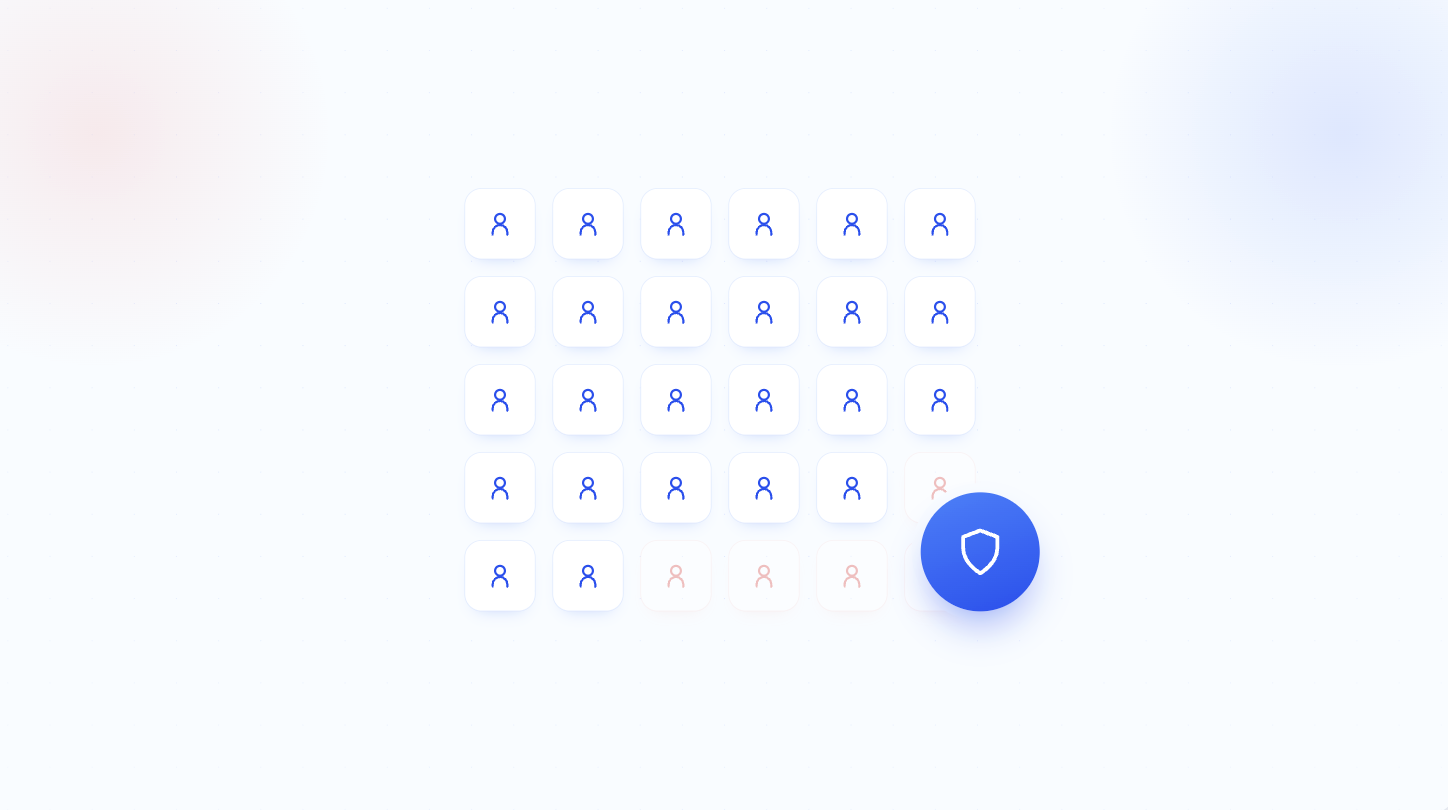
The B2B churn rate measures the percentage of professional clients or recurring revenue lost over a given period. It is calculated by dividing the number of lost clients by the number of clients at the start of the period, multiplied by 100. Two indicators coexist in B2B: logo churn, which counts lost accounts, and revenue churn, which measures the revenue eroded from the installed base. Across eleven B2B sectors analyzed by Customer Gauge, annual rates range from 11% in energy to 56% in wholesale.
Spending months cultivating a relationship with a B2B client only to see them leave is frustrating. And when a client leaves, what can you do to prevent others from doing the same?
The 5% annual churn benchmark often cited in B2B SaaS dates back to surveys from before 2016 and is no longer a reliable reference. The 2025 SaaS Capital survey of private B2B publishers places median net revenue retention at 102% for the $25,000 to $50,000 average annual contract segment, with a first quartile of 97%: a quarter of players therefore lose net revenue each year from their installed base. It is important to understand the different types of churn and how your company compares to others in your field before moving on to solutions.
In this article, we explore all these aspects: the types of churn, industry averages, and strategies to help you reduce your company's B2B churn rate, improve your B2B sales process, and retain your clients for the long term.
B2B churn rate: definition, calculation, and 2 types
There are two main types of B2B churn, and they are not managed with the same dashboard. Tracking them separately avoids the most common blind spot: a perfectly stable client base can hide a 20% drop in average basket size. Monthly tracking is used to detect drop-offs, while an annual review is used to compare against the market. One final trap: calculating churn across the entire base, including new clients. Recent acquisitions inflate the denominator and artificially suppress the rate. Only clients present at the start of the period should be included in the calculation.
How to calculate customer churn rate (logo churn)
Customer churn rate = (clients lost during the period / active clients at the start of the period) × 100.
A distributor with 400 active clients on the 1stst of January and losing 48 over the year shows a 12% annual churn rate, or an 88% retention rate. Two precautions.
First, define what a lost customer is: a terminated contract or no orders over two consecutive purchasing cycles.
In B2B commerce, the second criterion is more honest, as a dormant account can remain in the database for years.
Next, segment: 12% churn among small customers does not have the same impact on revenue as 12% concentrated on the five largest accounts. Monitoring sales performance by segment is the necessary counterpart to this calculation.
How to calculate revenue churn rate
Revenue churn rate = (recurring revenue lost over the period / recurring revenue at the start of the period) × 100.
Out of 1.2 million euros in annual recurring revenue on January 1st , 180,000 euros lost through cancellations and volume decreases result in 15% gross churn.
By factoring in additional sales made to these same accounts, you get net revenue retention: above 100%, the installed base grows without new acquisitions. The most direct lever for driving this growth remains B2B cross-selling on complementary product lines, supported by a clear B2B pricing strategy.
Common mistake: counting a negotiated discount as a loss of revenue when it is actually a voluntary trade-off. These two items should be kept separate.
B2B Churn: The 3 formulas to include in your monthly reporting
| Metric | Formula | Warning threshold |
|---|---|---|
| Customer churn (logo) | Customers lost / customers at the beginning of the period × 100 | More than 3 percentage points above your sector average |
| Gross revenue churn | Revenue lost / revenue at the beginning of the period × 100 | Higher than logo churn: your largest accounts are leaving |
| Net revenue retention | (Beginning revenue - revenue lost + expansion) / beginning revenue × 100 | Below 100%: the installed customer base is contracting |
Average B2B churn rate: 11 industry benchmarks
There are two main types of B2B churn:
- Logo churn : The complete loss of a customer. This means they have terminated their contract or have stopped doing business with you entirely.
- Revenue churn: A decrease in the revenue you generate from an existing customer. This can happen if the customer downgrades their service plan, reduces their usage of your product, or negotiates lower prices.
To give you a clearer picture, here is a breakdown of average annual churn rates by industry, taken from Customer Gauge's The State of B2B Account Experience report, which covers eleven account-management-focused B2B sectors.
| B2B sector | Annual churn | Interpretation |
|---|---|---|
| Energy and utilities | 11% | Long-term contracts, high switching costs |
| IT services | 12% | Strong integration with customer systems |
| Software publishers | 14% | Intense competition, easy migration |
| Industrial services | 17% | Dependence on investment cycles |
| Financial services | 19% | High price sensitivity |
| Professional services | 27% | Relationships tied to people, not contracts |
| Telecommunications | 31% | Systematic renegotiation at renewal |
| Manufacturing | 35% | Competitive tendering |
| Logistics | 40% | Constant pressure on cost per parcel |
| Consumer packaged goods | 40% | Pressure from central purchasing organizations |
| Wholesale and distribution | 56% | Multiple suppliers by default, low exclusivity |
Source: CustomerGauge’s B2B NPS® & CX Benchmarks Report, The State of B2B Account Experience
The useful takeaway is not the absolute figure but the variance: a wholesaler at 45% is performing better than their industry average, while a software publisher at 20% is struggling.
A second lesson is that churn decreases as switching costs increase. The more integrated the solution is into the customer's workflows (catalog referencing, connection to their purchasing system, negotiated payment terms), the higher the exit cost.
This is what is produced by a B2B e-commerce platform connected to the customer's ERP, or the integration of an e-procurement solution into the sales site. A pitfall to avoid: taking comfort in the industry average without recalculating it by segment, as an overall rate almost always masks a pocket of customers with a 40% loss rate.
5 early warning signs that a B2B customer is about to leave
In B2B, cancellation is almost never a surprise: it is preceded by six to twelve months of measurable disengagement. The McKinsey B2B Pulse 2026 survey, conducted among nearly 4,000 decision-makers in 13 countries, identifies three major causes for switching suppliers: inconsistent information from one team to another, the inability to reach a knowledgeable contact, and gaps in follow-up between channels. Buyers use an average of ten channels, each representing a potential point of leakage.
Here are the five signals to track within your B2B customer portal and CRM.
- Decreased order frequency. An account that used to order every three weeks and now spaces them out to six weeks has already started sourcing elsewhere. Threshold: a 50% increase in the time between orders over two cycles.
- Shrinking basket size. The number of items ordered drops while the total amount remains stable. The customer is keeping one product line and transferring the others to a competitor.
- Drop in portal logins. Fewer than two logins per month on a multi-user account signals that buyers have reverted to phone or email, meaning they are outside your B2B order automation.
- Rise in unresolved incidents. Two billing or delivery disputes left open for 30 days significantly increase the risk of churn. Track the resolution time, not the volume of tickets.
- Sponsor silence. The contact who signed the deal is no longer responding and hasn't been replaced. In B2B, the departure of an internal sponsor is the number one cause of account churn.
The trap is treating these signals one by one. In isolation, none of them trigger action. Combined into a single score reviewed in monthly meetings with sales teams, they allow you to intervene before the client starts looking at the market.
5 ways to reduce customer churn
Keeping your B2B clients engaged and satisfied requires proactive effort throughout their entire experience. Let's explore five strategies that work together to reduce churn and build lasting client relationships:
- Offer added value and flexibility to stand out
To truly stand out in the competitive world of B2B eCommerce, go beyond the basics. Think about offering value-added services that directly benefit your clients. This could include personalized product recommendations based on their purchase history, custom packaging options, or support for integrating your products and services into their existing systems and workflows.
Additionally, offer flexible pricing models, bulk order discounts, or extended payment terms to accommodate different budgets and financial needs. This level of flexibility demonstrates your understanding of the B2B sales experience and helps you reduce churn in B2B eCommerce. A payment method tailored to B2B with credit lines and deferred payment removes one of the most frequent reasons for delaying an order.
- Build strong relationships with personalized support
The key to keeping B2B clients happy is understanding them as both teams and individuals. Assign each client a dedicated account manager who can provide personalized support, learn their specific needs, and offer tailored solutions. This personal touch makes them feel valued and understood.
Beyond troubleshooting, Schedule regular check-ins (monthly or quarterly). This gives you the opportunity to review each client's progress, discuss upcoming projects, and proactively address any challenges they may be facing. Showing your commitment to their success builds trust and strengthens the relationship.
- Boost engagement and loyalty with strategic communication
B2B sales success relies on clear, consistent communication that keeps clients engaged and invested in your brand, thereby reducing B2B churn rates. Here is how to strengthen your communication strategy:
- Position updates as solutions. Inform clients about new products, features, or B2B e-commerce trends that impact their business. Monthly newsletters, product demonstrations, and webinars tailored to their interests are all effective B2B sales channels .
- Target your messaging. Use targeted marketing campaigns to reach clients with offers directly relevant to their needs. Exclusive promotions, early access to new products, or referral incentives add value and enhance the experience you provide to clients.
- Maintain consistent touchpoints. Encourage clients to engage with your brand even after the initial B2B sales cycle has closed. Establish a regular communication cadence through newsletters, check-ins, and relevant offers.
- Use multiple channels. Reach clients in their preferred way by using a variety of channels such as email, social media, in-app messaging, and direct calls. A multichannel approach reinforces your message and deepens engagement opportunities.
Expert advice : When engaging a potential client who has submitted an eCommerce Request for Proposal (RFP), tailor your communication to address the specific pain points or requirements mentioned in the RFP. This demonstrates your understanding of their needs and positions you as a preferred solution provider.
- Provide high-quality onboarding
A solid onboarding program simplifies the buying experience, helps your customers quickly master your platform, and realize the value you offer. It is the first step toward creating loyal customers!
Here are our top tips for providing the best onboarding experience for your B2B customers:
- Offer varied onboarding formats. You can provide a mix of webinars, step-by-step guides, and one-on-one presentations to cater to different learning styles.
- Focus on industry-specific solutions. Highlight resources that address common pain points or best practices within your customers' industry.
- Emphasize the user-friendliness of your eCommerce platform. Mention intuitive navigation, clear ordering processes, and resources easily accessible within the platform itself. A B2B product catalog that displays account-specific pricing automatically reduces cart abandonment rates.
- Offer personalized support. Simplify the customer onboarding experience by having your sales or account management team proactively reach out to those who may need extra guidance.
- (Optional) Celebrate learning. If applicable, include gamification elements, such as certificates or badges, to recognize customer progress and encourage continued engagement with your platform.
- Continuously collect and act on feedback
Reducing churn is often as simple as paying attention to what your customers have to say.
Regularly collect feedback through surveys, interviews, and even in-app feedback forms. Truly listen to their pain points, the new products or services they would like to see, and any suggestions for improving your offerings.
But don't just collect feedback—do something with it! Integrate customer insights into your roadmap and let them know when you have made changes based on their suggestions.
These insights can significantly improve your eCommerce operations. Suggestions can lead to expanding your product catalog with items relevant to your customers' industries, adding new features that simplify B2B order management, or offering more flexible shipping or payment options to enhance the overall customer experience.
By implementing these changes, you not only improve as a business, but you also show your customers that you are truly invested in their success, making them more likely to stay with you for the long term.
Expert tip: Check online reviews for your company and your competitors. Regularly conduct a competitive analysis to understand what sets you apart, how customers perceive your competitors, and how you can beat them at their own game.
7 questions to ask churned B2B customers
Even with the best churn reduction strategies in place, some customer turnover is inevitable.
And even when a customer churns, it represents a valuable opportunity to learn and improve. You can conduct exit interviews with churned customers to gather insights into their decision to leave and identify areas for improvement for your business.
Here are some key questions to ask:
- What initially led you to choose our product or service?
- To what extent did our offerings meet or fall short of your expectations?
- Were there specific issues that prompted you to stop using our product or service?
- How would you describe your experience with our support team?
- Are there any features or improvements that could have convinced you to stay?
- Did you switch to a competitor? If so, what advantages do they offer?
- What could we have done differently to keep you as a customer?
After conducting the interviews, review the responses to identify common themes and prioritize actions based on their potential to improve customer retention. Share these insights with your team to encourage continuous improvement and collaboration.
Expert tip: In addition to exit interviews, monitor public reviews and mentions of your company on social media. These opinions can provide valuable insights into customer sentiment and highlight areas for improvement.
Key takeaways for reducing B2B churn
Reducing churn is crucial for the long-term success of your B2B eCommerce business, but it can be difficult to know where to start.
Our recommended strategies? Offer personalized support, value-added services, and flexibility, along with ongoing training and resources. Additionally, prioritize clear communication with your customers, regularly collect their feedback, and act on it.
The financial stakes justify the effort. Research by Frederick Reichheld (Bain & Company), cited by the Harvard Business Review, establishes that acquiring a customer costs 5 to 25 times more than retaining one, and that a 5-point increase in retention translates to 25% to 95% more profit. In B2B commerce, the most underutilized lever remains ordering autonomy: every bit of friction removed from the reordering process increases the cost of switching. This is the logic behind a unified B2B platform that connects order management, replenishment, and sales channels.
By implementing proven retention strategies like these and continuously learning from churned customers, you can keep your clients happy and loyal.
FAQ
How often should you measure your B2B churn rate?
Monthly for operational steering and identifying performance gaps, and annually for industry benchmarking and executive reporting. In B2B sales, a quarterly review by segment remains the best compromise for prioritizing actions.

Customer attrition vs. HR attrition: what is the difference?
The term covers two distinct realities. In marketing and sales, attrition measures the loss of customers or revenue. In human resources, it measures employee turnover relative to the average headcount. While the formulas are similar, the drivers are not.
How do you calculate the churn rate?
It is calculated by dividing the number of customers lost over a period by the number of active customers at the beginning of that period, multiplied by 100. With 400 customers on January 1st and 48 lost during the year, the annual churn rate is 12%. Customers acquired during the period are never included in the denominator.
What is a good B2B churn rate?
There is no universal benchmark. CustomerGauge data places annual churn between 11% in the energy sector and 56% in wholesale. A good rate is several points below the industry median, with a net revenue retention of over 100%.
What is the difference between churn rate and retention rate?
They are complementary: retention rate = 100% minus the churn rate. A base that loses 12% of its customers retains 88%. Net revenue retention factors in upsells from existing accounts, which can allow it to exceed 100%.
Does the Chatel Law apply to B2B contracts with automatic renewal?
No. Article L215-1 of the Consumer Code protects consumers and non-professionals, not contracts between businesses. There is no obligation to provide renewal reminders in B2B: notice periods and termination terms are governed by the contract. Proactively managing these deadlines remains a key retention strategy.