Market Entry Strategy: Entering the B2B Market
Entering a new B2B market can help you reach new customers and grow your sales. Here’s how to build a low-risk B2B market entry strategy to scale your business.

Expanding your B2B business into new markets is one of the best ways to reach new customers, diversify revenue, and grow sales. But entering a new market can be risky, and too many companies have tried to break in without success.
The risk of failure is especially high if you don't have a clear market entry strategy that defines how your business will succeed in a new environment. It isn't enough to apply the same playbook you used to grow in your home market.
At DJUST, we've helped several B2B companies expand into new global markets, and in this guide, we break down two low-risk strategies to help you do the same.
Let's get into it, but first, let's talk about timing.
How do you know it's time to enter a new market?
Entering a new market is a major undertaking, and the last thing you want to do is jump in before you're ready. Here are five signs it's time for your business to enter a new market:
- You want or need to diversify revenue. If your business depends on a handful of large customers in the same industry and country, you could be exposed to significant risk during an economic downturn. Entering a new market can help you diversify your customer base and revenue streams.
- You're facing economic pressure. Economic stressors such as inflation and high interest rates can be hard on your business. By entering a new market, you can reach more customers, some of whom won't be affected by those pressures.
- Your current market is saturated. It can be hard to attract new customers if your current market is saturated. At the same time, foreign markets may have stronger demand for your products.
- Your business has been affected by regulatory changes. New regulations can tie your hands and limit your growth prospects. In that case, you may want to consider entering countries that don't impose the same restrictions.
- You're dealing with supply chain disruptions. These can make it difficult to serve customers in one country or region, but not in others. Expanding into countries that aren't affected can help you keep service and operations consistent.
Market entry strategy: the framework to put in place
The best way to approach entry into a new B2B market is to use a strategic market entry framework. This framework has three stages: assessment, feasibility, and implementation.
To illustrate this approach, let's say a restaurant supplies company is considering expanding into Spain from its headquarters in France. Using that example, we'll walk through the three-step framework below.
Step 1: Assessment
Assessment is about making sure that entering a new market is the right move for your business. During this stage, you need to determine why your business wants to enter a new market and why the target market makes sense.
Let's go back to the example above. There may be many reasons a restaurant supplies company wants to expand. Maybe fewer people are dining out in its home market, so the company wants to enter a larger market where restaurant traffic is still strong.
Or maybe the company is dealing with supply chain disruptions and wants to move closer to its customers.
The company identifies Spain as a potential target market. Spain is attractive because it's a huge market and geographically close to France, which makes sales and delivery coordination easier.
But before you rush ahead, finish the assessment phase with a cost-benefit analysis. Move forward only if you determine that the benefits of entering the target market are likely to outweigh the costs.
Expert tip: As part of your cost-benefit analysis, factor in how long it will take to establish yourself in a new market. The new market needs to become profitable within a reasonable timeframe, or your expansion effort may lose momentum.
Step 2: Feasibility
The feasibility stage of your market entry strategy is about determining whether your business has the strengths needed to succeed in the target market.
Here are the factors to consider:
- Do you have the capital needed for the initial investment?
- Can your business compete in this new market?
- Does your business offer value-added services that set you apart from the competition?
- Do you have enough inventory to meet demand in the target region?
- How will you handle order and fulfillment logistics in the target market?
In our restaurant supplies example, decision-makers need to determine whether they can compete with existing restaurant suppliers in Spain. They'll also need to build a strategy for warehousing inventory in Spain and ensuring timely deliveries to restaurants.
Step 3: Implementation
Implementation is about defining when and how you'll enter the market. You have many options, such as opening offices in the target country, partnering with local distributors, or acquiring a local company.
Let's go back to our example. The restaurant supplies company may decide that partnering with an existing distribution network is the most cost-effective way to enter the Spanish market. This approach lets the company use its sales expertise without having to build a new logistics network from scratch. (We'll explain how to do that in the next section.)
With a solid plan in hand, you can break it down into actionable tasks and assign them to people across your business.
Low-risk market entry strategy
At DJUST, we've found two low-risk B2B strategies that work especially well for entering new markets: digital expansion and indirect exporting.
Digital expansion through eCommerce
eCommerce lets you create an online storefront to sell your products to other businesses. That makes it incredibly easy for your company to serve customers anywhere in the world.
You can create market-specific online catalogs for each region you serve and accept payments through local payment providers. You can also streamline fulfillment by leveraging your existing logistics network and using global delivery services.
We recommend this strategy as the least risky and least expensive approach to entering foreign markets.
Benefits
- Very low entry cost with minimal upfront investment.
- Simplified product delivery logistics in foreign markets.
- Higher profit margin than partnering with local companies.
- Focus on marketing, an area where many B2B companies already have experience.
- Full control over selling your own products.
- Ability to sell third-party vendors' products.
Drawbacks
- Need to build a logistics network for deliveries.
- Marketing costs can be high.
- Implementing a B2B eCommerce platform can take time.
- Need to onboard customers to your platform.
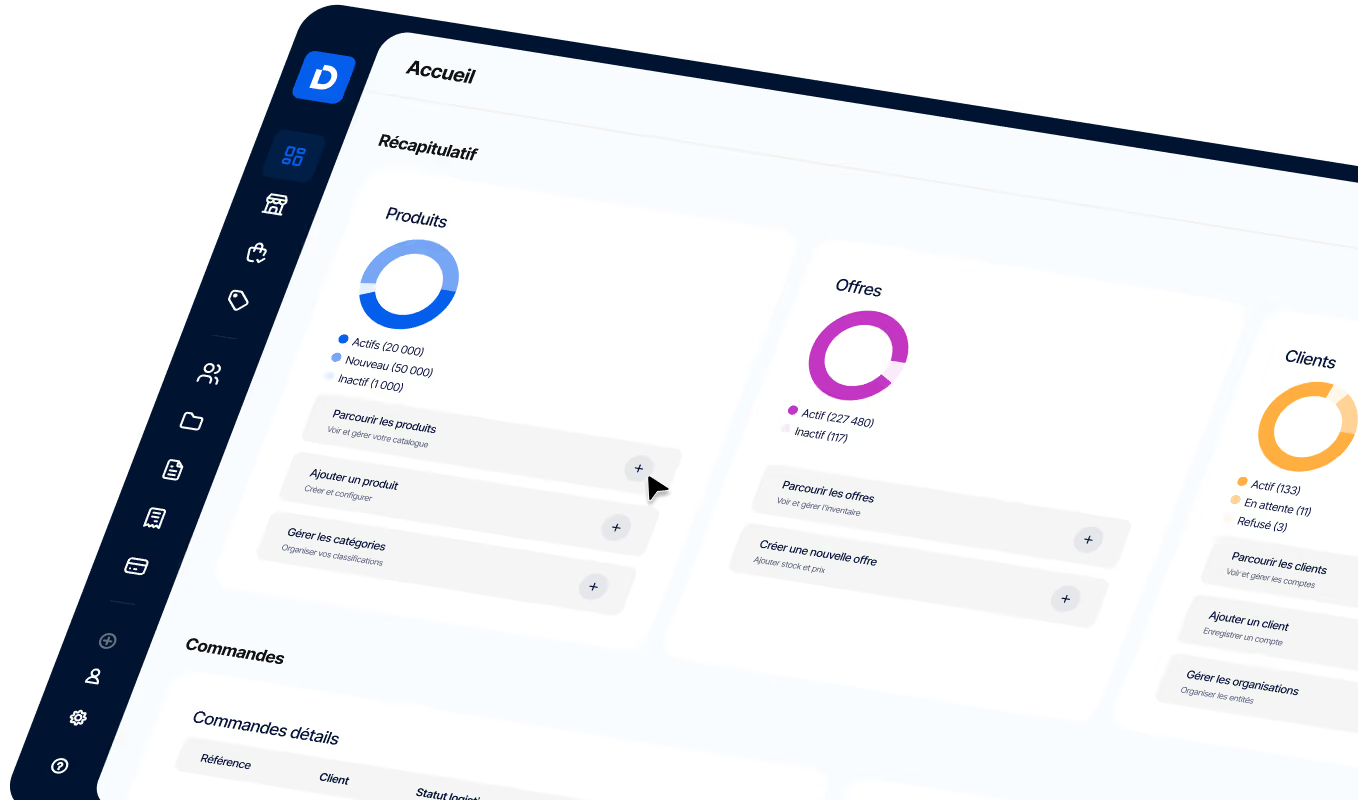
Expert tip: DJUST is a powerful tool for B2B growth. Our unified commerce platform lets you create market-specific product catalogs with unique pricing, quote approval and workflows, payment methods, and much more. With DJUST, you can go live in four months or less, removing one of the biggest barriers companies face when using a digital expansion strategy.
Indirect exporting
Indirect exporting means selling your products in a foreign market through an intermediary. Indirect exporting can work in several ways:
- Indirect exporting through distributors. You sell your products directly to distributors that already have customer networks they can resell to.
Example: You could sell restaurant supplies to restaurant supply companies in your new market.
- Indirect exporting through trading companies. Trading companies help you export your products to the target country and may offer limited logistics support, such as warehousing. You'll oversee the sale of your products to customers in the target country and manage fulfillment.
Example: You could work with a trading company that offers warehousing for your restaurant products, but you'll still be responsible for selling your products to customers. - Piggybacking. You let another company that already operates in your target market sell your products. You'll usually pay a fee, and you may have only limited visibility into your customer base.
Example: You could offer your products for sale through a restaurant supplier that handles advertising, transaction processing, and logistics.
It's important to note that none of these indirect exporting methods require you to manage the export process yourself. That's a long and expensive process, and we don't recommend it for B2B companies.
Benefits
- The export process is handled for you.
- Near-immediate access to your target market.
- Access to existing customer networks.
Drawbacks
- Lower profit margins than eCommerce.
- Need to coordinate inventory with third parties.
- You don't control major parts of your sales process.
5 challenges to avoid when building a successful market entry strategy
We've seen many companies stumble when entering new markets. Let's look at the most common pitfalls and, more importantly, how to avoid them.
An unclear project plan
Many expansion plans fail because moving parts aren't well coordinated or critical tasks don't have clearly assigned owners. That's why we recommend using project management tools to build your expansion plan and track execution.
You also need to keep your project plan as simple as possible. If you use a B2B eCommerce platform like DJUST, you can simply connect new markets to an existing platform instead of building a completely new software system for every market you enter.
Insufficient financial resources
According to Gartner, cost overruns are one of the main reasons international expansion efforts fail. Your market entry budget should include not only marketing and distribution costs, but also legal and regulatory costs, travel expenses, and more.
Misaligned organization and skills
As you guide your team toward new horizons, it's essential not to lose sight of your home market. (After all, it's the main revenue source funding your expansion!) You need to lead your team carefully and make sure it gives enough attention to your home market while carrying out your expansion plan.
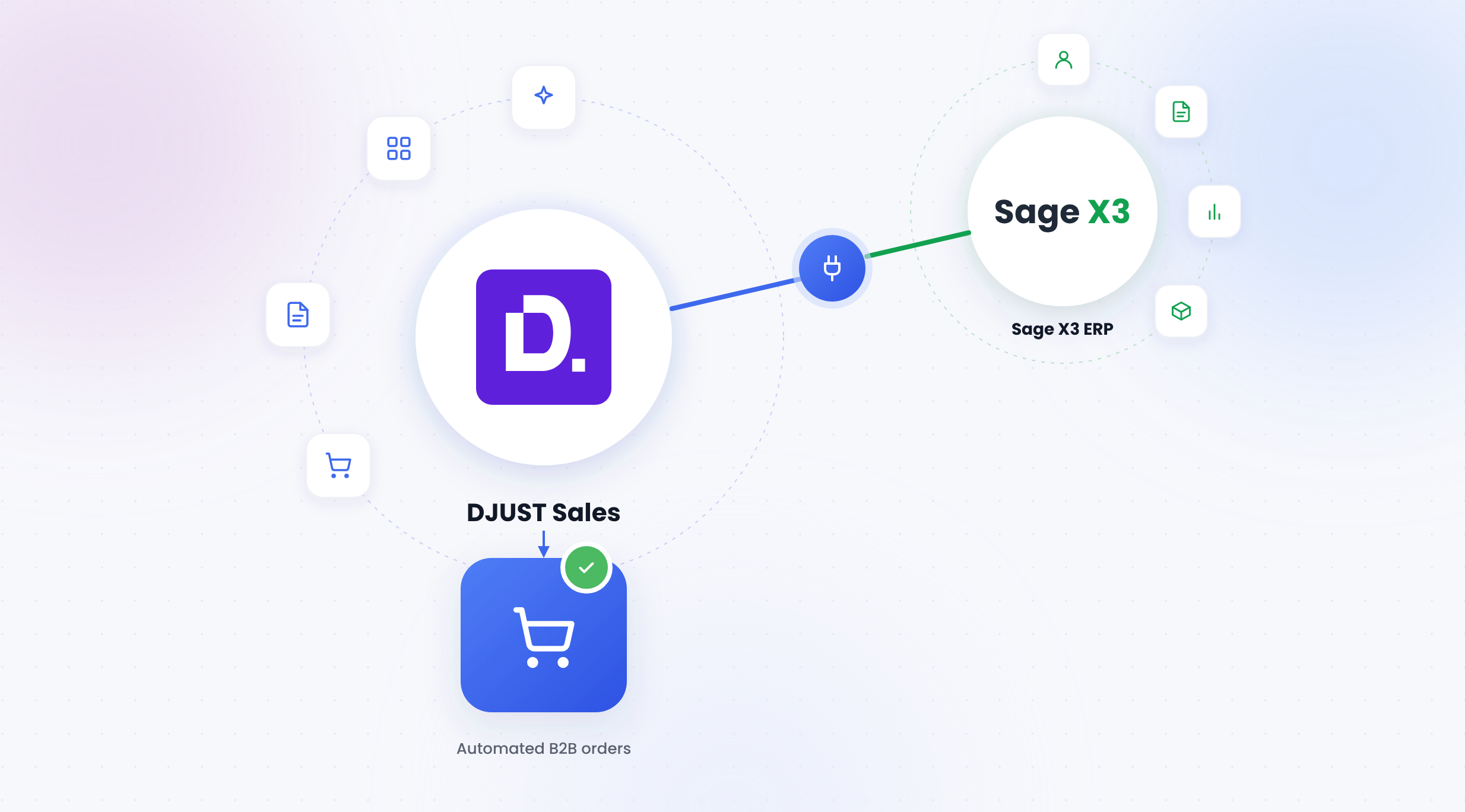
One way to strike that balance is to use software that connects to your existing systems (like DJUST) and doesn't drain your existing resources. Our platform connects to existing systems, which removes the need to onboard customers to market-specific tools. That allows your team to use the same sales processes in your home market and in new markets. Plus, DJUST has a standardized interface, which reduces the number of developers required compared with other solutions.
A product that's a poor fit for the new market
Introducing products into a new market comes with its own challenges, such as cultural nuances, differences in buying behavior, and potential language barriers. It's easy to overlook those differences, but they can undermine products that generate strong revenue in your home market.
To address this, you can consider entering a new market gradually, with a limited product range that's highly specific to your target customers. At DJUST, we make that possible by letting you create custom catalogs for different countries, regions, languages, and more. That way, you can gather feedback from your first customers and build your company's local reputation before expanding your catalog.
Inappropriate marketing campaigns and materials
Language and cultural barriers can be huge obstacles when marketing your products abroad. Simply translating your existing marketing materials won't be enough, because the messages that work in your home country may not resonate with customers across different B2B market types.
You need to make sure your materials match the needs and expectations of the local audience. A platform like DJUST can help. You can customize multilingual product descriptions to explain how your products meet the specific needs of customers in different markets.
In conclusion
Venturing into new markets can be a game changer for your B2B business, opening the door to new audiences and helping you grow sales. But the journey isn't without challenges. Deciding when, where, and how to expand requires a new strategic market entry framework that covers assessment, feasibility, and implementation.
While there are multiple approaches to selling in new markets, we recommend using an eCommerce strategy because it's low risk and cost-effective. You can also take an indirect exporting approach, which means selling your products through an intermediary in your target market.
Whatever strategy you choose, make sure you have a clear project plan and give enough attention to your home market.


.png)
.jpg)