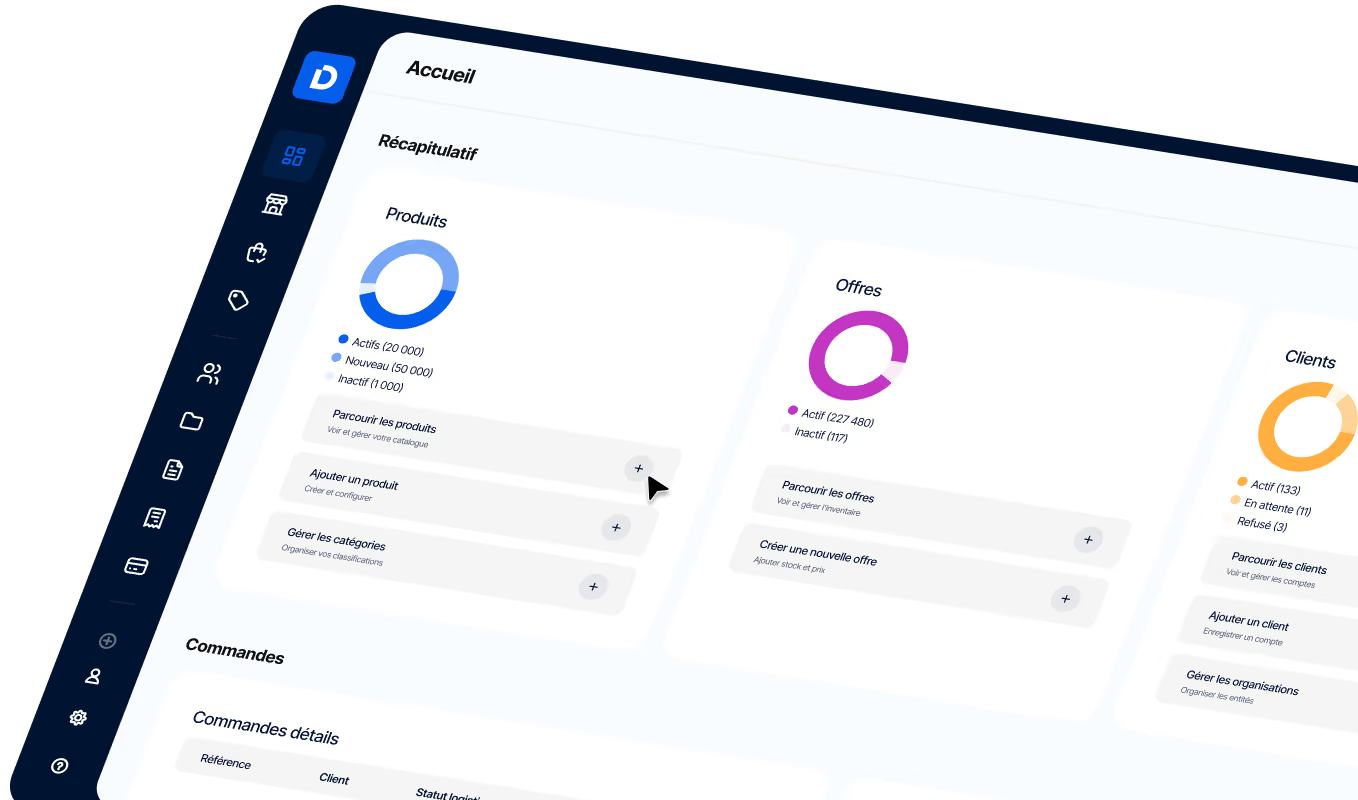
5 Key Characteristics of B2B E-Commerce
5 must-have elements for your B2B e-commerce platform: flexible payment options, fast checkout features, customer segmentation, and more.

If you work in B2B, you’ve probably seen the buzz around e-commerce over the past few years. B2B companies have always had very specific needs, and now that e-commerce platforms have evolved to meet those requirements, the landscape is changing.
Running a B2B business today means making online purchasing easier through a better, simpler customer journey. B2B buyers expect more personalized offers and experiences, and many organizations struggle to keep up with these new demands. Many companies still wrongly assume that selling to B2B buyers is the same as selling to consumers. As a result, they use outdated systems and pile multiple features onto their new e-commerce platform, only for B2B buyers to use just a fraction of them.
The truth is that companies don’t need to start big to succeed. Starting small and focusing on the most important elements of your e-commerce platform will often lead to success, because the concept is tested with products that are actually sold and people in your organization can manage the new platform systems. We’ve listed 5 key features that every company should consider when upgrading or launching its new B2B e-commerce platform.
1. Add fast checkout features
Forget long forms and ditch five-step checkout processes: these are the kinds of friction points that slow down conversion on B2B e-commerce sites. Simplifying the checkout process is a great way to reduce cart abandonment and encourage buyers to complete their purchase the first time around.
Fast checkout features are a no-brainer for your site and are likely to be especially popular with loyal B2B customers. You can give buyers the option to quickly reorder based on previous favorites, or fill out a short bulk order form using the SKU, part number, or another more convenient identifier. Even small feature updates, such as auto-filling address forms or enabling tax-inclusive pricing, can make all the difference.
2. Segmentation with groups or profiles for B2B buyers
You know your customers — they’re all a little different. So do you reward bulk purchases with lower pricing, offer discounts to loyal customers, or add product samples?
One way to address the range of B2B buyers you serve is to create segmented groups or profiles, each tailored to a specific type of customer. You can organize customer profiles on your platform in different ways, but a few core factors are worth considering when designing those segments:
* Your B2B buyer’s geographic location
* Purchase frequency
* Typical order size
* Type of business
* Nature of your current relationship
These groups can then each benefit from a tailored user journey, with personalized product recommendations. Their shopping cart experience should also be customized, with specific ordering options, payment methods, pricing, and even currencies to choose from before checkout. By addressing the specifics of your B2B buyers this way, you can deliver a more valuable customer experience, with practical features that keep customers coming back.
3. Customer-specific catalog and pricing
Once you’ve defined your customer segments, it’s time to implement a flexible or individualized pricing approach. You can sell one product at twenty different prices to buyers around the world. And while that’s easy to adjust for telesales, it’s a little trickier online.
Whether you decide to set prices based on volume, region, or another set of variables, the ability to define different prices for different user groups is a core part of B2B e-commerce. Individualized pricing should also reduce the number of buyers who pick up the phone to place an order or request a custom quote. That’s why it’s essential that the platform you choose gives you the ability to update your catalog directly.
4. Flexible payment options
In B2B, a commercial relationship already exists with the customer, and not every payment method needs to be handled online.
To meet B2B buyer needs, you’ll want to support offline payment methods such as :
* Credit cards
* Purchase orders
* Credit line authorization
* Checks (for large amounts)
* Bank transfer/ACH
* Credit notes
*...
Your platform should include the ability to configure multiple payment options while tailoring them to specific customers. Either the order amount or the customer group.
By offering personalized and flexible ordering methods to your buyers, you’ll ultimately give them a seamless experience on your digital platform, and therefore a better impression of your company.
5. Varied user access and permissions
Unlike B2C customers, your B2B buyers hold different roles, with different levels of seniority within the company. Your access controls need to be configured accordingly. Think about it: you probably wouldn’t give an intern responsibility for blocking, and a junior buyer shouldn’t have full control of the company account either.
With that in mind, your B2B e-commerce platform needs the features required to provide different access levels across the user hierarchy it supports. This may mean assigning each account an administrator, who can in turn create separate customer users and grant individual permissions as they see fit. This keeps junior staff from doing anything outside their remit, while managers can view everything from invoice history to available credit.
-modified.avif)
.png)
.avif)
.jpg)