Beauty and Cosmetics: The Role of B2B E-Commerce
B2B e-commerce in the beauty industry must keep pace with modern standards by delivering personalized experiences and efficient, sustainable solutions. Advanced platforms are essential for overcoming challenges such as the dominance of field sales, supply chain issues, and the need for flexible, scalable systems.

The Beast in the Beauty Industry
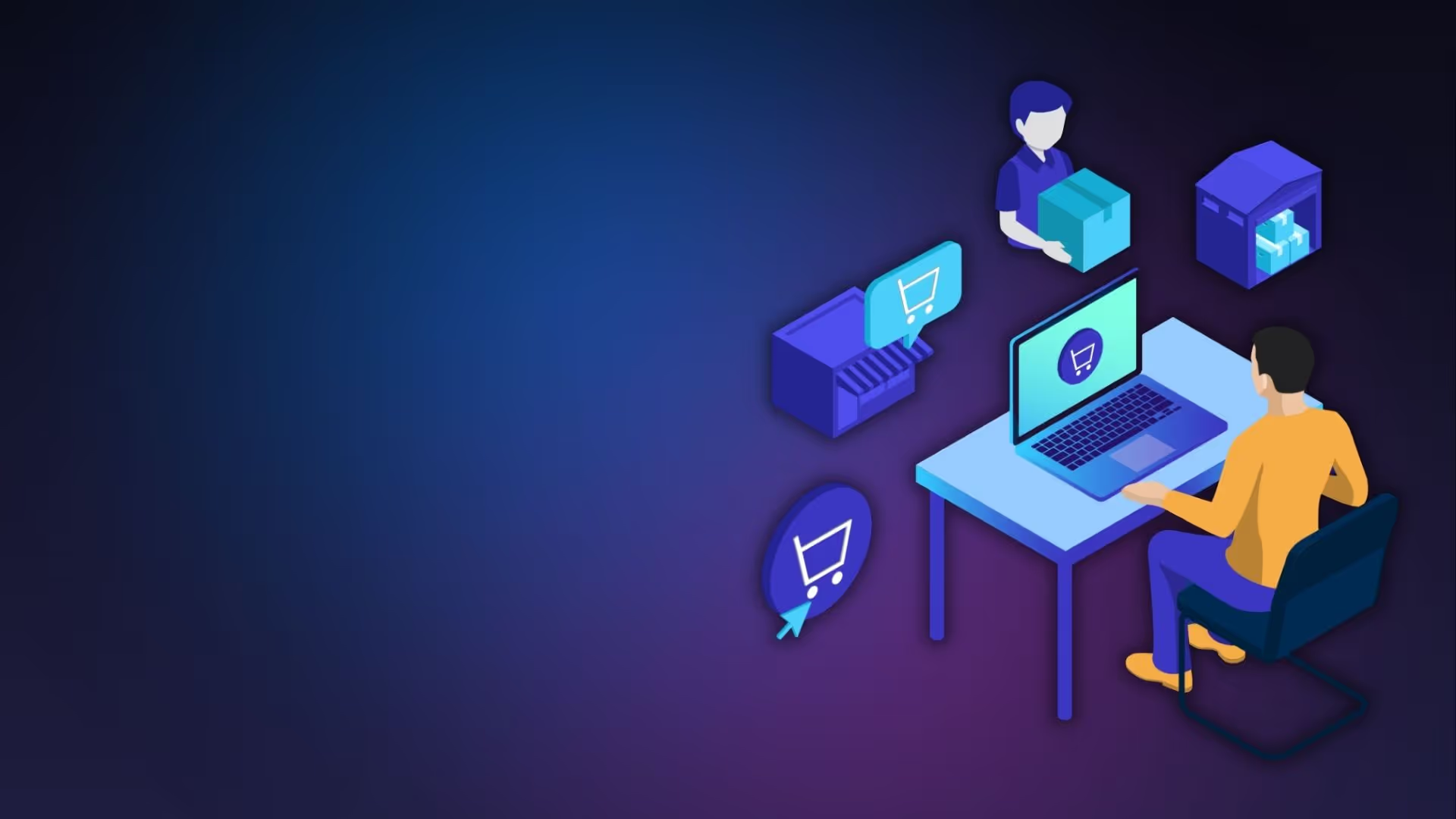
Online shopping is now part of everyday life. As the B2C market continues to reinvent online experiences for consumers, B2B companies are being held to the same standard. Business buyers now expect the same convenience, transparency, and speed in B2B. According to a recent study, 83% of B2B buyers prefer to buy and pay online (Gartner 2022) — and they’re ready to look elsewhere if the experience doesn’t meet their needs.
As Amazon Business expands, suppliers and buyers have a fast alternative for selling and sourcing products. But not every company is equally mature, and not every customer has the same needs. In sectors where B2C e-commerce has reached a high level of maturity, that momentum can spill over into the B2B side of the business. In fashion, for example, B2C best practices have been adapted to B2B, including personalized marketplace and storefront experiences, in-app selling views, and even digital showrooms.
To meet the complex needs of the B2B beauty and cosmetics industry, a flexible B2B eCommerce platform is essential. To navigate a competitive market and a volatile supply chain successfully, you need a responsive, adaptable solution that traditional eCommerce systems simply can’t deliver.
The 4 Major Flaws of B2B Beauty
And How eCommerce Can Help You Eliminate Them
1. The Demand for a Personalized Experience
B2B buyers are hungry for a personalized buying experience, closer to what B2C brands have traditionally offered. But that’s hard to deliver in eCommerce stores built on restrictive, rigid legacy systems. Modern platforms with an open architecture make hyper-personalization possible, with features like customer-specific catalogs and pricing, personalized navigation, filters, and tailored product recommendations.
2. An Industry Driven by Field Sales
The beauty industry has historically been driven by in-person or field sales, thanks to buyers’ preference for sampling or seeing products before they buy. While that can’t be replicated directly in an online sale, an advanced B2B eCommerce platform should be able to offer free samples or custom samples, and even integrate with AI-powered software, such as a home try-on option.
3. The Shift Toward Sustainability
Recent years have seen a major shift in consumer priorities, with trends like “deinfluencing” and “skinimalism” reducing appetite for luxury products. The same applies to B2B buyers, especially as rising inflation and the cost of living push companies to tighten budgets and rethink priorities. You can address these concerns by adding features such as tiered pricing, accurate replenishment lead times to avoid excess stock, carbon footprint information, and other sustainability credentials.
4. Ongoing Supply Chain Challenges
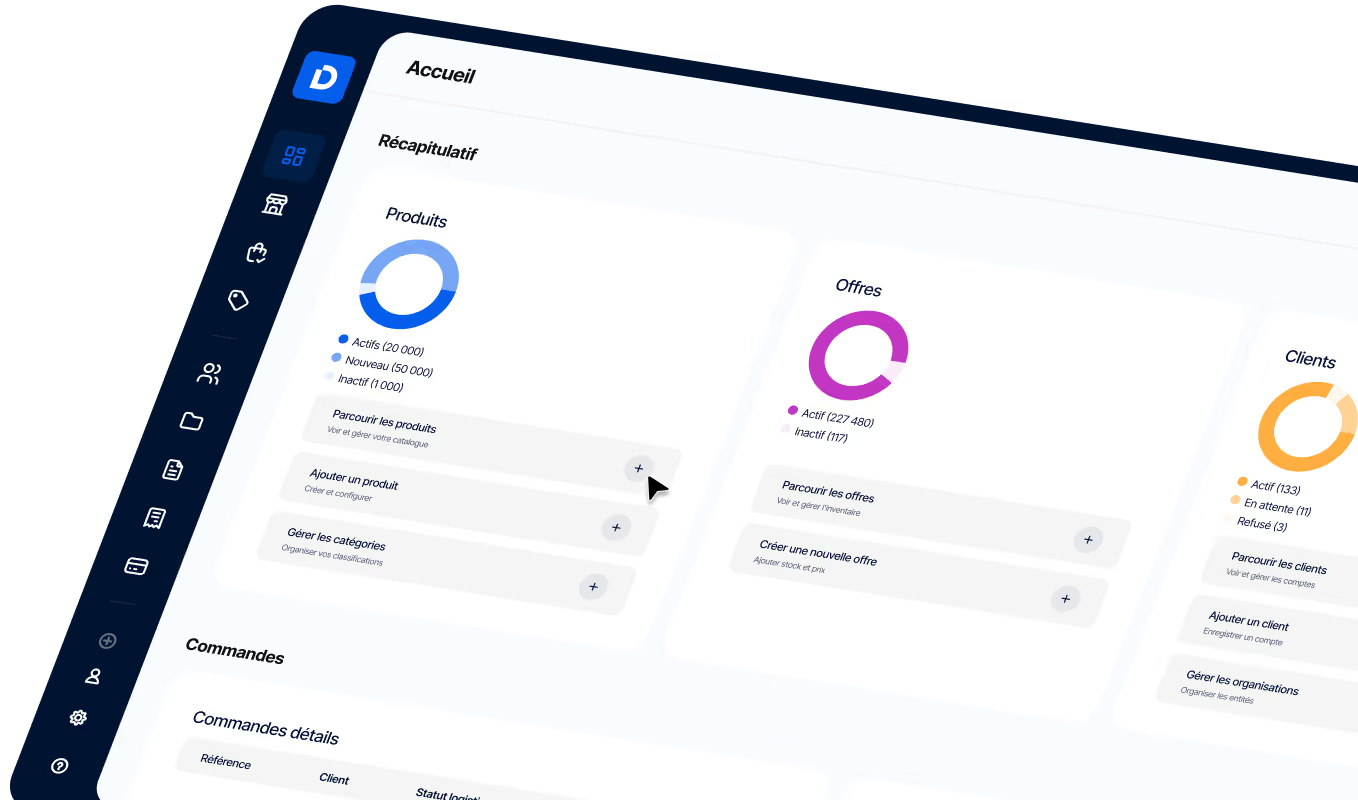
Between the pandemic, the war in Ukraine, and a steady stream of natural disasters, the global supply chain has never been under more pressure. B2B beauty brands need to adapt to protect themselves from supply chain issues and stay compliant with evolving regulations. By moving to a sophisticated eCommerce platform, beauty wholesalers can take steps to solve this problem. For example, automated inventory management, real-time stock visibility, or even “notify me” CTAs can alert buyers when items are back in stock.
Four Tips to Keep in Your Makeup Bag
Key things to keep in mind when choosing an eCommerce platform are...
- It’s essential to future-proof your supply chain. Look for platforms with smart inventory and order management features to help you do that.
- It’s time to move to MACH. Legacy systems are too rigid and restrictive for a responsive, fast-moving industry like beauty.
- Make B2B feel more like B2C. Business buyers want a personalized shopping experience, which is why sophisticated audience segmentation matters.
- Streamlining the buying journey is critical. In an oversaturated market, orders and replenishment need to be fast so buyers don’t turn to a competitor.
To see how DJUST helps leading fashion and cosmetics brands, request a demo.
-modified.avif)


.png)
.jpeg)