Purchasing Cards: A Must-Have for B2B Payments
Why accepting purchasing cards is no longer optional for B2B sellers. From securing public procurement bids to preparing for the end of Ingenico’s offering in 2025, discover why modernizing your B2B payment strategy with solutions like DJUST is essential for growth and compliance.
Introduction: Why Purchasing Cards Are a Strategic Issue for Sellers
Purchasing cards have become a standard in business purchasing, especially for key accounts, mid-sized companies, and the public sector. For suppliers, this B2B payment method is no longer optional: it now determines access to certain markets — especially public procurement, where purchasing cards are often required in public tenders.
As legacy players like Ingenico phase out their purchasing card offering by the end of 2025, distributors, manufacturers, and networks need modern solutions to accept and process these transactions within their digital buying journeys. That’s exactly what a B2B e-commerce platform like DJUST makes possible: it gives sellers an environment that can integrate and manage these B2B payment methods seamlessly, securely, and in line with market requirements.
Purchasing Cards: Definition and Role in the Value Chain
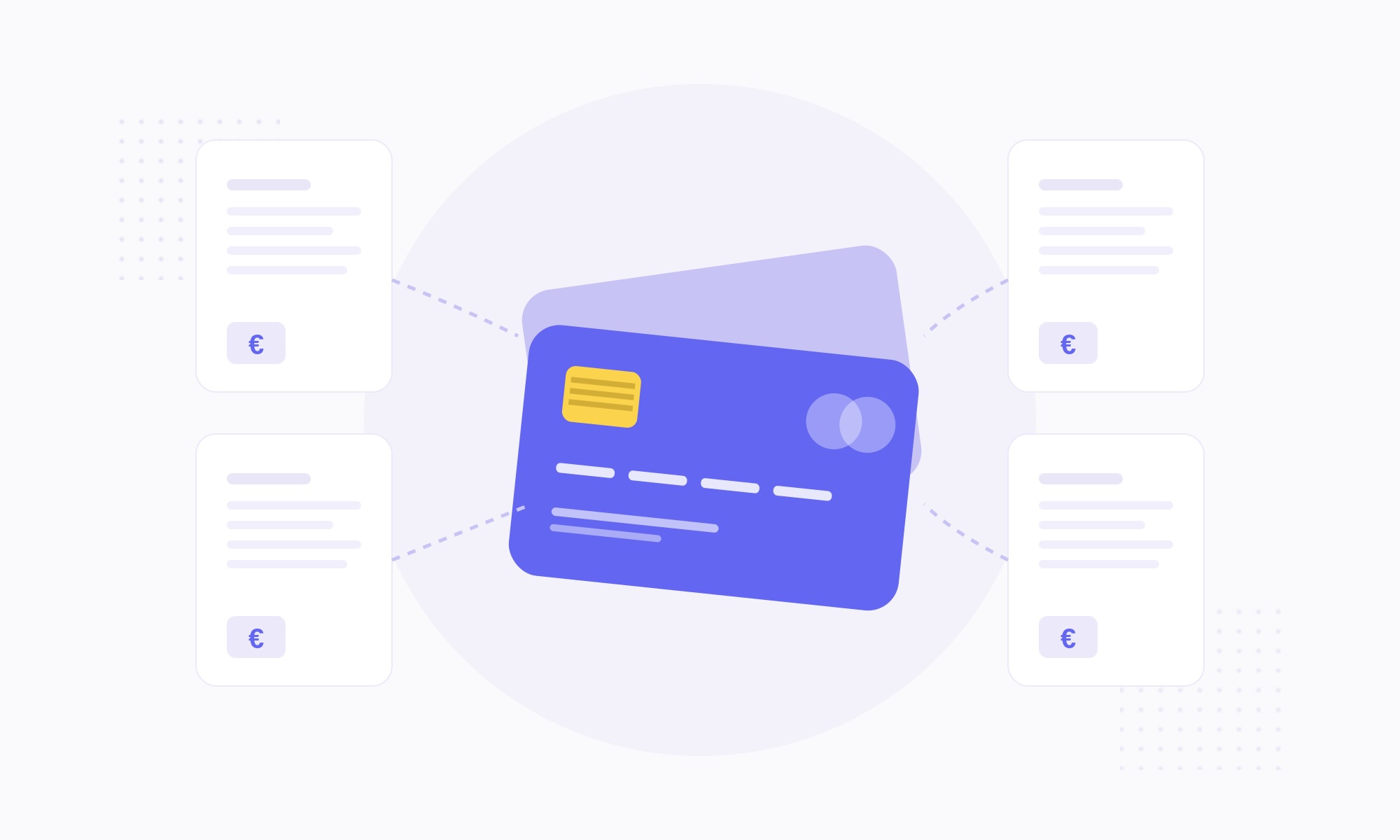
A purchasing card is a B2B payment instrument used by companies and public institutions to simplify and track transactions. Purchasing cards can transmit several levels of data, known as Level 1, Level 2, and Level 3, which determine how much information is sent with each transaction.
- Level 1 covers the minimum required data: total amount, date, and basic merchant information.
- Level 2 adds tax and accounting data, such as the amount before tax, VAT rate, or purchase order number. It is often needed to streamline B2B payment processes.
- Level 3 provides the highest level of detail, which is essential in many public tenders and large enterprises: line by line, quantities, product references, accounting codes, cost centers, item descriptions, and more.
For sellers, accepting Level 3 is a major advantage: it’s the level that fully meets the traceability, compliance, and reporting requirements expected in public procurement bids. For buyers, it helps control spending limits, simplify supplier settlement, and strengthen internal controls.
What Does It Mean for a Seller to “Accept Purchasing Cards”?
In practical terms, integrating this type of B2B payment means:
- Integrating a payment journey compatible with purchasing card standards.
- Sending the right transaction data (public tender number, order, line item, reference, VAT, budget, and more).
- Respecting the structure expected by companies or government agencies (sending the invoice to the banks).
- Managing authorization, invoicing, and reconciliation according to the rules of the scheme.
Without this technical compatibility, a supplier simply cannot be selected for many public procurement bids.
Why Sellers Need to Be Able to Accept Purchasing Cards
1. Access Public Procurement Markets
In many tenders, especially in the military, ministries, or local authorities, the ability to accept purchasing cards is mandatory. Sellers without this B2B payment solution are disqualified, even if their commercial or technical offer is a strong fit. On the other hand, compatible suppliers gain an immediate competitive edge.
2. Meet the Expectations of Large Private Accounts
Large enterprises use purchasing cards extensively to manage spending: stronger traceability, accounting integration, and automated approvals. A seller that accepts purchasing cards makes sourcing, contracting, and scaling much easier.
3. Modernize the B2B Payment Ecosystem
Accepting purchasing cards isn’t just an administrative requirement — it’s also a way to improve the customer journey. The result: less friction, more repeat orders, a shorter buying cycle, and stronger loyalty from strategic accounts.
Real-World Example: How DJUST Helps Socoda Serve the Ministry of the Armed Forces
As part of a tender from the Ministry of the Armed Forces, the Socoda network absolutely had to accept purchasing cards, a requirement imposed by the administration. But legacy solutions were gradually disappearing — especially with the announced end of Ingenico’s offering by the end of 2025 — and Socoda needed a modern, scalable, and compatible B2B payment technology.
DJUST integrated a technical layer into Socoda’s e-commerce platform that made it possible to accept and process purchasing cards in line with the Ministry’s requirements. The platform enabled:
- compatibility with the transaction flows expected by the government,
- automation of purchase approvals,
- the transfer of the right data for invoicing,
- a seamless experience for public-sector buyers.
The result: Socoda was able to respond effectively to the Ministry of the Armed Forces’ tender and position itself as a supplier capable of handling complex public purchasing while digitizing its offering.
The Challenges Sellers Face When They Want to Accept Purchasing Cards
1. Compliance and Standardization
Purchasing cards have specific data requirements. Poor integration of this B2B payment method can lead to declines, disputes, or reconciliation issues.
2. Integration into the Seller’s IT Infrastructure
Accepting purchasing cards means connecting the e-commerce platform, ERP, invoicing, and possibly the PIM. An API-first platform like DJUST makes this complex integration easier.
3. The End of Legacy Solutions
With Ingenico’s offering ending by the end of 2025, sellers need to plan a technical migration to ensure continuity in their payment services.
4. Internal Training and Adoption
Sales, customer operations, and finance teams need to understand how these specific flows work to keep the sales cycle running smoothly.
How Can a Seller Prepare to Accept Purchasing Cards?
- Assess customer needs: Do your customers use purchasing cards? Are you targeting public procurement?
- Choose a compatible e-commerce system: Your platform must be able to handle the required flows and connect with your ERP. DJUST is built for these demanding B2B payment scenarios.
- Test with a pilot scope: A representative customer group helps validate the flows and compliance. For example, DJUST lets you test with a few real transactions to make sure everything works properly.
- Train your teams: Strong internal adoption means fewer errors and a better customer experience.
Conclusion: Accepting Purchasing Cards Is a Growth Accelerator
Accepting purchasing cards is now a strategic advantage for distributors, manufacturers, and networks. It’s a lever for winning public procurement bids, streamlining purchasing for key accounts, and modernizing B2B payment processes.
With Ingenico’s offering ending in late 2025, companies need to plan for a reliable alternative.
👉 Discover how DJUST can help you accept purchasing cards and win strategic contracts. Request a demo now!


.jpeg)