B2B Growth: 3 Key Strategies for 2024
In B2B, standing still means falling behind. Read DJUST’s guide to discover the 3 best B2B growth strategies that can transform your business in 2024.

With the B2B e-commerce sector set to grow by 18.2% a year through 2030, there’s never been a better time to scale your business and diversify your revenue streams.
To grow your company effectively, though, you need the right strategies. At DJUST, we know this space inside out: we’ve helped many of our partners move from B2C to B2B, successfully scale their existing B2B operations, and unlock significant revenue growth.
In this guide, we share three smart B2B growth strategies to make your business more competitive and more successful in 2024.
Strategy 1: Diversify from B2C to B2B
If you lead a B2C business and are looking for your next major growth leap, moving into B2B could be the strategic shift you need. The global B2B market is five times larger than the global B2C market, which means huge room for growth and serious potential you can tap into.
At DJUST, we specialize in guiding businesses like yours into B2B commerce and helping them enter markets they may never have considered. We know firsthand how diversifying from B2C to B2B can open up new revenue streams and help reduce risk for your business by broadening your customer base.
With B2B, you’re not just making sales. You’re building long-term partnerships that often come with the promise of stable contracts and recurring subscription revenue. Those relationships can help shield you from B2C sales fluctuations, so you can plan and invest in your company’s future with confidence.
B2B commerce also gives you the chance to increase your average order value. According to Schubert B2B, the average B2B order is $491, compared with just $147 for an average B2C order. So by moving into B2B, you can generate more revenue per order and offer value-added services without significantly increasing headcount.
Let’s look at a case study that shows how B2B cross-selling can help your business.
Case study: Wayfair Professional
Wayfair Professional is a great example of how moving from B2C to B2B commerce can support overall business growth. This B2B platform targets seven key sectors: home decor, commercial offices, contractors, property management, hospitality, education, and food service.
Since launching in 2017, Wayfair Professional has become a cornerstone of Wayfair’s business. It contributes 10% of the company’s total revenue, and sales on Wayfair Professional are growing at a compound annual growth rate of 30%.
The success of Wayfair Professional shows how critical it is to adapt international e-commerce offerings to the specific needs of business buyers across different industries. It opens up B2B sales to a wider range of customers and encourages those customers to become loyal buyers.
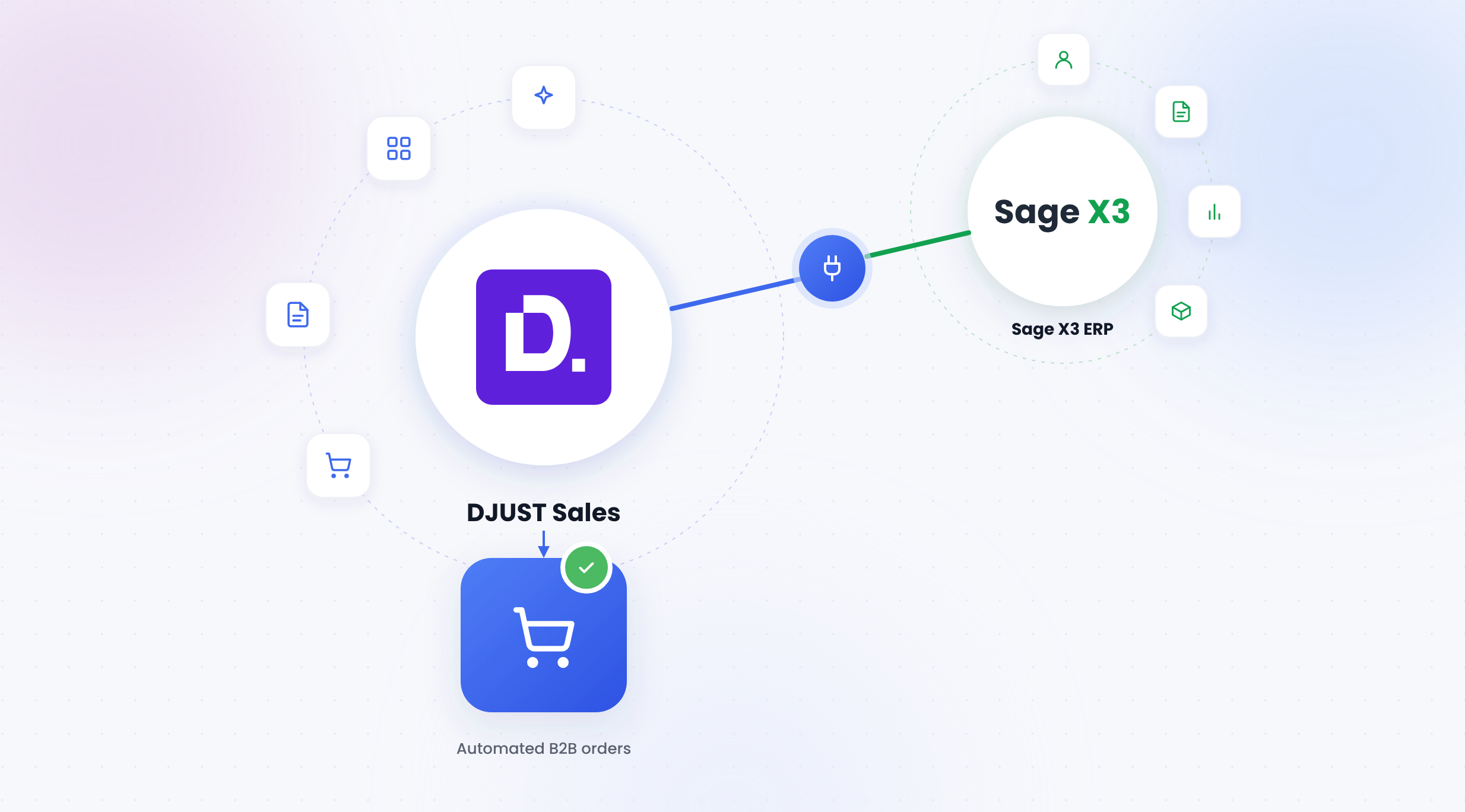
Expert tip: DJUST makes the move from B2C to B2B as smooth as possible. Our software lets you create a customized online B2B storefront, unify your B2B sales channels, and integrate with all your existing software. On top of that, our SaaS approach lets you focus on growing your B2B business instead of building and managing your e-commerce platform. DJUST is also highly scalable, so it can grow as your new B2B business grows.
Strategy 2: Move to omnichannel selling
If expanding into B2B isn’t on your roadmap, diversifying your sales channels is another great way to grow.
A McKinsey study shows that B2B buyers want more ways to place orders, more convenient ordering processes, and more personalized ordering experiences. For B2B sellers, that means adopting an omnichannel sales approach is no longer optional. It’s essential to include omnichannel selling in your global retail entry strategy framework if you want to attract and retain B2B customers.
With that in mind, let’s take a look at the 10-channel approach.

The 10-channel approach
McKinsey’s research also highlights a major shift in the B2B sales landscape. Instead of relying on a traditional four- or five-channel sales approach, successful B2B companies now operate complex 10-channel sales ecosystems. In fact, 72% of B2B companies using seven or more channels see B2B sales growth.
This shift reflects changing customer expectations around seamless interactions across channels. The 10 B2B sales channels identified by McKinsey are:
- In person
- Phone
- Supplier website
- Procurement department
- Mobile app
- E-procurement portal
- Video conferencing
- Live chat
Your business could be at a disadvantage if you only offer a handful of these channels. That’s why, at DJUST, we give customers multiple ways to place orders. They can order online or speak with a sales rep, who can place an order on their behalf. Customers can also send an email, and our AI scans it and turns it into an order.
Expert tip: You don’t necessarily need to offer all 10 of these sales channels to grow your business. What matters is offering the channels your customers actually want. A good approach is to survey your customers to find out which channels they prefer for purchasing, then focus on developing those channels.
Let’s look at a case study showing how a major B2B seller uses omnichannel sales to reach more customers and reduce friction in the buying experience.
Case study: Amazon Business
Amazon Business has used an omnichannel approach to engage customers, improve sales, and boost operational efficiency. This B2B platform combines physical stores, online platforms, mobile apps, and push notifications to deliver a seamless buying experience for a wide range of customers.
Amazon Business’s strategy has delivered many benefits, including:
- Improved customer service
- Higher reported customer satisfaction
- Greater brand visibility
- Higher customer retention rates
In addition, Amazon Business analyzed data from different sources to adjust its products and marketing approach so it could better meet the changing needs of its business customers. That, in turn, led to stronger sales results and higher revenue.
Strategy 3: Make B2B as simple as B2C to improve the customer experience
Another strategy you can use to drive B2B growth is to improve the customer experience, especially for online sales.
According to VML, 49% of B2B transactions already happen online, and that figure is expected to rise by 57% over the next five years. That means B2B companies urgently need to simplify and improve their online buying experiences.
To do that, B2B companies should look to B2C. B2B buyers increasingly expect B2C-like experiences, including ultra-fast delivery times and real-time order notifications.

We recommend that B2B companies take inspiration from the B2C model and deliver the same standout customer experiences, but adapt them to a B2B sales strategy.
Here are some of the best features to implement if you want to give business buyers a B2C-like experience:
- Fast ordering and replenishment: Let customers upload a CSV file to place an order or instantly repeat a past order.
- Wish lists: Let customers add products to wish lists, share them to make ordering more collaborative, and turn wish lists into orders in one click.
- Customer-specific catalogs: Personalize the experience with dedicated catalogs and pricing.
- Multiple, scalable carts: Let customers manage and collaborate on many carts containing thousands of products at the same time.
- Flexible payment options: Accept multiple business-friendly payment methods, such as purchasing cards, bank transfers, and checks.
- Order approval workflows: Create order approval workflows to streamline collaboration and order control.
- User access permissions: Let customers create multiple employee accounts with customizable permissions to place and approve orders.
- Order tracking: Provide transparent order tracking tools so customers get real-time updates on order contents and delivery dates.
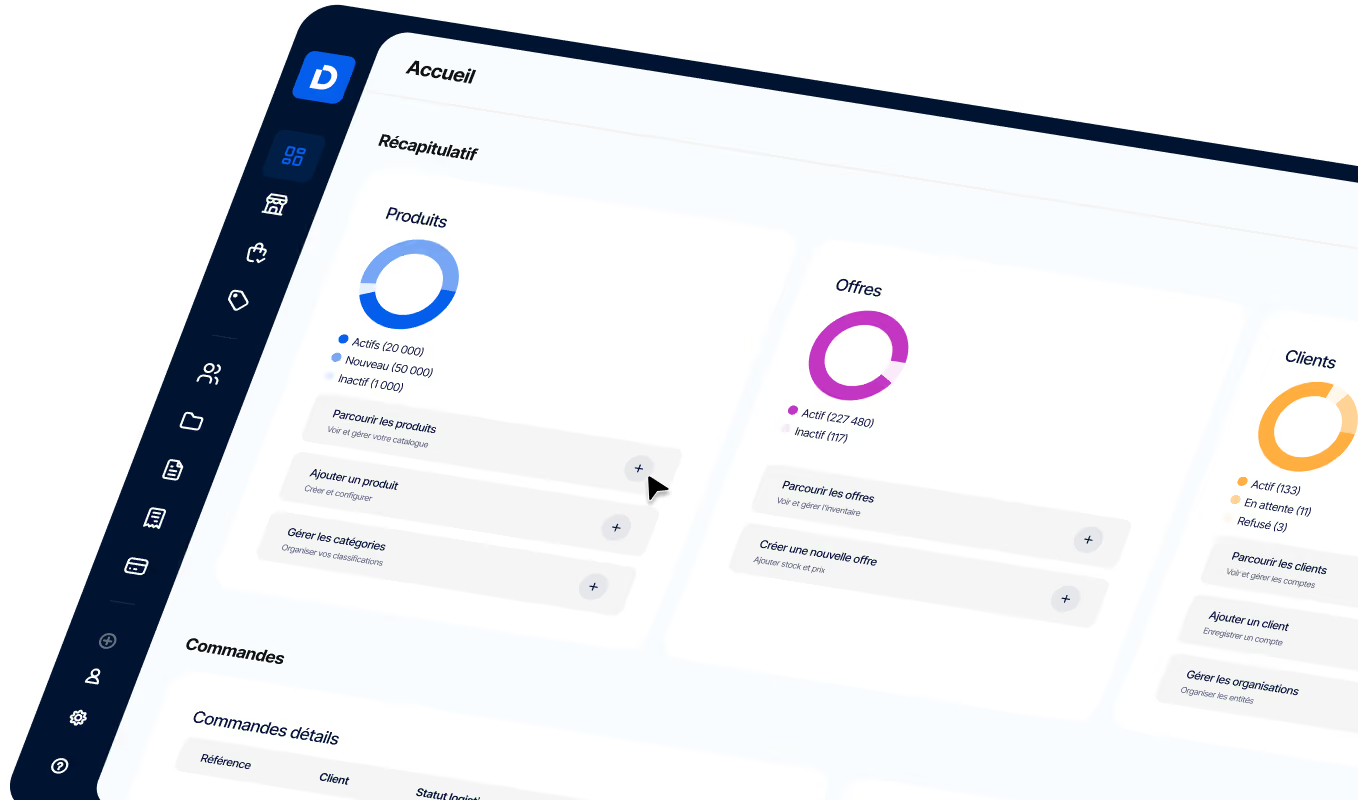
Expert tip: At DJUST, we offer a B2B e-commerce platform designed to make your customers’ online buying journey easier. Our platform includes all the essential components highlighted above, plus additional features such as multilingual catalogs, channel management, and shipping management.
DJUST also lets you fully customize the customer experience. When a customer logs into their account, for example, they see a tailored catalog with pricing customized for their business.
DJUST also helps you track the growth of your B2B business through a powerful back-office dashboard. It’s a complete solution for boosting your B2B sales!
Case study: Socoda
Let’s look at this in action with Socoda.
Socoda is a B2B company that works with more than 200 independent distributors in the construction and industrial sectors. It recently transformed its purchasing process: customers can now access a full product catalog with custom pricing, customizable shopping carts, and quotes.
In addition, Socoda introduced a stock pooling tool that lets distributors view other distributors’ inventory. This significantly expands the supply capacity of Socoda’s B2B marketplace and ensures customers can get the products they need quickly.
The bottom line
The B2B market is growing fast, giving B2C companies a strong opportunity to move into B2B sales and unlock a valuable new revenue stream.
B2B sellers can also keep growing by adopting a 10-channel sales approach that gives customers more ways to buy. By implementing a B2B-specific e-commerce solution like DJUST, you can easily manage those channels, reduce friction in the buying process, and make your business more competitive in the digital B2B sales landscape.


.png)

.jpg)