Catalog Management Software: Benefits and Tools
Discover the efficiency of catalog management software, which streamlines your e-commerce operations through centralized data management and seamless multichannel publishing.
Article summary
After testing dozens of platforms, we selected the 7 best catalog management solutions:
- AJUSTER
- Salesforce
- SÈVE
- SANA
- Pimcore
- Pepperi
- Adobe Commerce (Magento)
We reviewed each tool in detail to give you an overview of its features and standout use cases. Each one offers unique capabilities that benefit specific brand niches and industries. So let’s dive in.

Expectations around centralizing sales processes and information have become universal, extending beyond B2C into B2B. Business buyers are always on the move, and they need seamless access across multiple devices to manage orders effortlessly.
As your company works to meet these new demands, the search for a unified commerce platform with catalog management software begins. Whether you’re looking to grow your business or streamline different discounting rules, catalog management software helps you tailor your website to your evolving needs.
What Is Catalog Management Software?
Catalog management software stores, organizes, updates, and manages product information in a centralized repository.
Companies can use this software to create customized digital catalogs, track inventory, maintain consistent product data across multiple channels, and create a seamless shopping experience for buyers.
For example, if you run a wholesale apparel distribution business, a catalog management system will record all your transactions with business partners. It will track which garments were ordered, shipped, and which items are available in your inventory. You can also customize it to show specific product ranges to different retailers based on their previous purchase history.
If buyers are interested in certain garments, the website can suggest similar items. That makes it easier for them to find what they need, and it also increases the chances they’ll make a purchase.
Types of Catalog Management Software
We can classify catalog management software into 5 different types.
Here’s a quick overview:

In terms of ease of maintenance, cost-effectiveness, scalability, support, and catalog management, SaaS solutions like DJUST are the most viable option for both SMBs and enterprises.
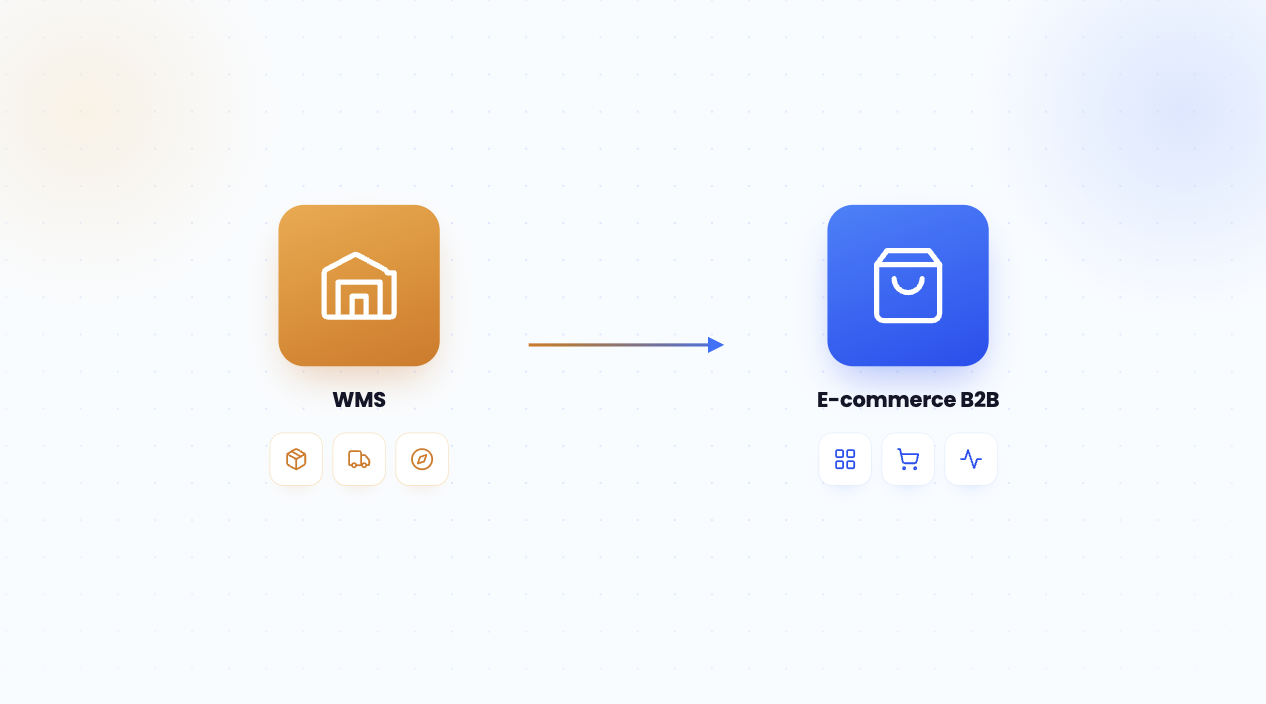
There are also different ways to manage a catalog, for example through a PIM (Product Information Management) system, a commerce platform, or an ERP (Enterprise Resource Planning) system. The best fit for your business will depend on several factors, such as catalog complexity, the number of SKUs, and more — which we cover below!
5 Benefits of Implementing Catalog Management Software
Still unsure about digitizing your catalog management?
According to Gartner’s 2025 Future of Sales report, 80% of B2B sales interactions between suppliers and buyers will happen through digital channels by 2025. That highlights how important it is to digitize sales operations, including catalog management.
So let’s look at how a catalog tool fits into your workflow and what benefits it brings:
- Faster time to market: By streamlining data management and distribution, a catalog management system helps you meet catalog creation deadlines and bring your catalog to market on time. For example, DJUST lets you make major customizations in a single click to create a unique catalog in no time.
- Omnichannel integration: You can bring together all your sales channels, including your e-commerce site, marketplaces, and physical stores, on one platform and deliver a unified customer experience. As a result, your data and processes are consolidated, and you save significant time in day-to-day operations.
- The ability to create dynamic catalogs: You should be able to automate actions using dynamic rules. With a platform like DJUST, you can manage multiple offers and select the products, variants, or categories to associate with them.
- A superior end-user experience: A well-designed catalog management platform will let your customers edit their B2B carts, place orders from anywhere, and even get strong after-sales support. These shopping experiences are essential for building customer loyalty.
- Scalability: As your business expands into new markets or sales channels, product catalog software scales with you. It handles large volumes of product data without any major additional infrastructure investment. It also helps you keep catalogs up to date by syncing data across all platforms.
How to Choose the Best Catalog Management Tool
Choosing the best catalog management software depends on several factors, such as:
- Internal systems: You need to choose a tool that aligns with and integrates well into your current systems (ERP, CRM, etc.) to ensure smooth data flow and maximum efficiency.
- Your catalog’s complexity: You need to determine whether your product catalog is simple or complex. Based on that, you can choose a tool that fits your needs. For example, if your catalog includes many product variants, specifications, and attributes, you’ll need a tool that can handle that complexity without compromising performance.
- End use: What is your catalog ultimately used for? Do you use it for internal purposes, customer-facing applications, or both? That will also shape the features and functionality you need.
To help you out, here are some key features your catalog management software should have:
- A seamless customer experience: Look for a tool with an easy-to-use B2B customer portal. Your customers should be able to define roles and permissions, track quotes, manage orders, and choose from multiple payment methods.
- Customization: The tool should leave enough room for B2B e-commerce catalog customization, for example by showing a specific product type or promotions to a targeted group, or by configuring volume-based pricing.
- Multilingual capabilities: If you operate from multiple locations around the world, your tool should support multiple languages to make back-office operations easier.
- Unified store management: If you want to create a single store offering services in different locations and languages or multiple location-specific stores, you should be able to manage all types of operations from a single control point in the backend.
- Fast navigation: Your customers should be able to browse your catalog easily. Look for a tool that supports full-text search, auto-suggestions, autocomplete, and fuzzy search. For example, if someone searches for “water bottles,” the navigation bar can surface “copper water bottles” or suggest related products.
- API-driven: Your catalog management tool should never hold you back. Look for a tool that lets you easily integrate third-party applications to further enhance your catalog based on your needs, including workflow validation. For example, it should support easy integration with your external systems, such as ERP, PIM, and CRM, so all data is accessible and used within the catalog management software itself.
7 Best Catalog Management Software Solutions
When it comes to catalog management, you need a tool that goes beyond the basics.
With that in mind, we’ve selected these 7 tools that will speed up your internal operations and improve the customer experience:
1. DJUST

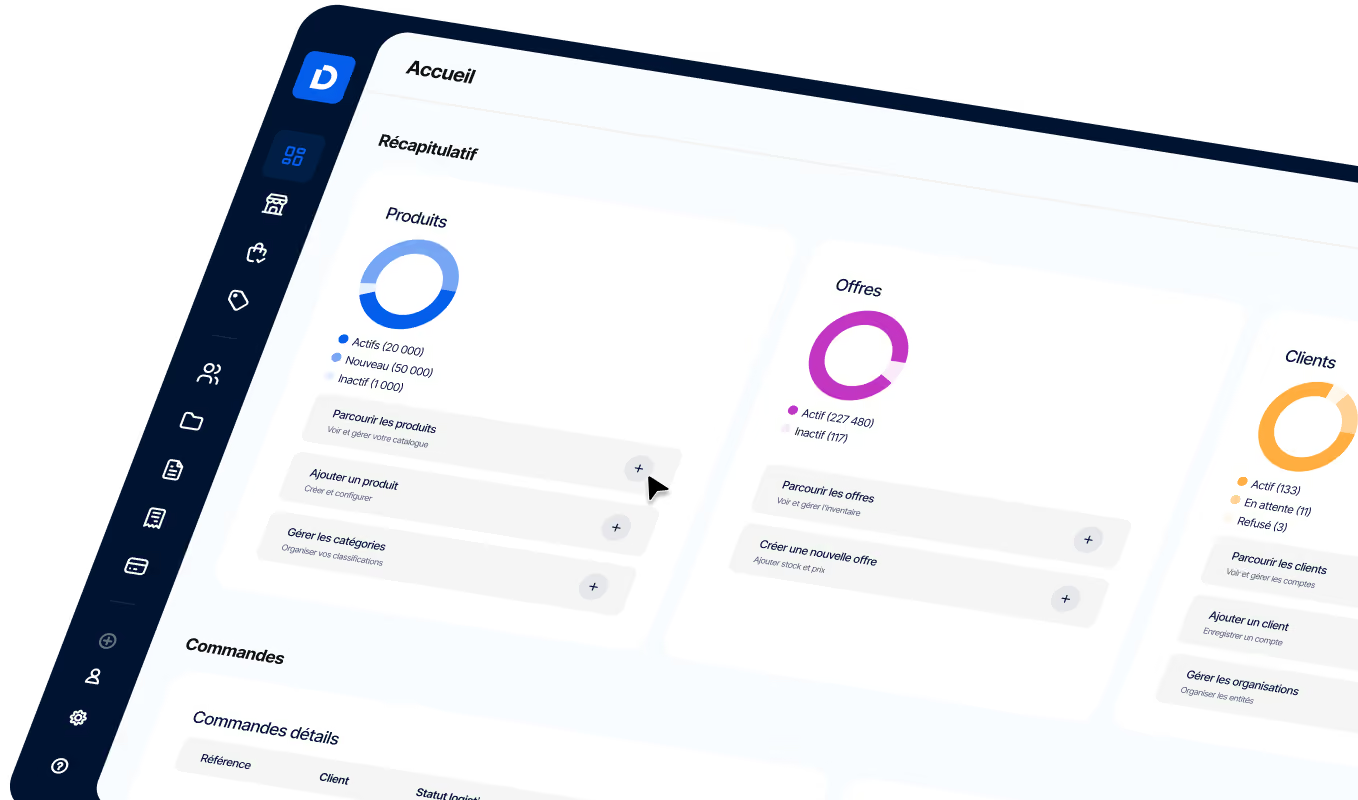
As a headless e-commerce platform at its core, DJUST stands out for its powerful catalog management tool. We offer a range of B2B e-commerce features in the platform to personalize your customers’ shopping experience, for example:
- Related product recommendations: Show products that are often bought together, have similar descriptions, or belong to a related collection. For example, if you buy a pair of safety helmets, we might suggest a pair of protective gloves, since they’re often purchased together. Another example would be if a car part breaks down. You could suggest a similar generic part that still fits the make and model, but comes from a different manufacturer.
- Custom catalogs: In your B2B catalog, some products or prices may only be available to specific customers. Create separate views for each customer to make sure they only see the products that match their criteria. For example, say you have two sneaker resellers, Reseller A and Reseller B. They have different order volumes and locations, so they won’t have access to the same product categories or features. For example, Reseller A will have access to a kids’ catalog, while Reseller B won’t.
- Product bundles: Combine products into bundles and sell them at attractive prices. DJUST’s intelligent system counts each item in the bundle separately and calculates availability based on the item with the lowest stock. This approach helps you increase sales through compelling combinations while keeping inventory under control. For example, if you’re a retailer selling corporate gift baskets and want to let customers choose 5 products from a list of 10 for their gift basket, once they’ve selected 5 products, they can add the gifts to their cart.
Beyond personalization, our B2B commerce suite is also highly practical for solving back-office challenges:
- Multiple prices and offers: Manage thousands of offers at once. You can associate them with the right products, variants, or customer segments without the risk of mismatches. Say you have a product in several colors. The red variant costs $5 and the blue variant costs $7, and you want to apply a 60% discount to the blue variant. With this feature, you can do that without any hassle.
- Identify missing information: The product page completeness rate lets you quickly see whether any information is missing from a product page.
- Dynamic catalog: Automatically trigger actions and update your catalog by setting dynamic rules. For example, if you sell products for construction site safety, you can create a “Construction Site Safety” catalog and automatically assign all related products to it using rule configuration.
With DJUST, product catalog management and publishing are effortless. Whether you manage one store or hundreds or thousands of stores across different countries, languages, and currencies, DJUST centralizes everything on one platform.
2. Salesforce

Salesforce offers a catalog management tool for both B2B and B2C as part of its broader CRM suite. It comes with two catalog options: sales process and service process. The sales catalog helps manage the products you can sell directly to users. The service catalog, by contrast, is designed to support the services needed to sell and maintain products and services.
Salesforce’s built-in AI tool, Einstein, is very useful for creating customized product descriptions. If you sell multiple variants of a similar product, you can organize your product catalogs into categories and subcategories.
The platform lets you list both sellable and non-sellable products in your catalog. If you want to restrict visibility, use qualification rules to define eligibility and availability criteria for different products and product categories.
3. SAP

SAP Commerce Cloud gives you access to an integrated solution for managing products, content, and catalogs from a single point and publishing them across all channels. If you need to make frequent changes to a huge volume of products, this tool could be a strong fit for your B2B store.
It comes with an intuitive interface that makes edits easier. Built-in data validation and automated workflows improve product content quality. You can make bulk edits and bulk uploads of product data to reduce manual work and improve efficiency.
Operating across multiple sites worldwide? SAP supports multilingual catalogs for your global e-commerce site.
4. SANA

SANA Commerce Cloud offers intelligent catalog automation to help your customers get accurate information and drive sales through buyer-specific B2B catalogs.
It syncs your web data with your inventory, making it easier to create and manage complex product catalogs. When there are too many SKUs to handle but too little time, set up automation to run repetitive data entry tasks on autopilot.
The tool integrates with your ERP, giving customers access to up-to-date product information, personalized offers, and discounts. It also integrates with your PIM, so descriptions, specifications, images, attachments, manuals, certificates, and translations stay consistent across all platforms.
5. Pimcore

Pimcore’s product information management (PIM) system speeds up product catalog management. You can create publish-ready catalogs for different touchpoints and improve your customers’ omnichannel experience.
The tool helps you identify gaps or inaccuracies in product data. You can update them in bulk to preserve information quality and consistency.
Pimcore’s USP lies in its high-quality product feeds. You can create an optimized product feed based on customer behavior and buying habits and generate more sales through hyper-personalization.
6. Pepperi

As a B2B online catalog management tool, Pepperi lets you upload an unlimited number of SKUs. It’s a great option if you’re growing fast but don’t want to hurt your bottom line with extra infrastructure costs.
It lets you create product catalogs for different categories and currencies, manage buyer-specific catalogs, and offer multiple catalog views based on device size and orientation.
Product asset uploads are very flexible: you can add up to 6 images, videos, and PDFs to give buyers complete information.
7. Adobe Commerce (Magento)

Adobe Commerce’s catalog management tool is a powerful asset for businesses selling both physical and digital products.
It simplifies the process of creating and publishing products, whether they’re simple or complex. Create products with multiple options, swatches for color or style variations, and customizable bundles tailored to customer preferences. The platform also supports downloadable products for digital content such as software or e-books, as well as virtual products for services and other intangible offers.
You can build category structures, edit your offer URLs to improve search engine optimization, and create product attributes to add extra information to your product catalog.
The Bottom Line
To truly capture B2B buyers’ attention and keep them coming back, you need to step up your game. Generic catalogs are unlikely to resonate with your audience. You need customized catalogs that speak directly to their needs and offer deals they can’t resist.
Unified commerce is the future, and a platform like DJUST is what you need to implement it successfully. It handles the many moving parts of a product catalog. At the same time, it speeds up operations, helps you scale faster, and lets you deliver a consistent shopping experience across every device and platform.
-modified.avif)
.png)
.avif)

.jpg)